Biophilic Design in Ontario: Why It's Gaining Popularity


Understanding Biophilic Design
Biophilic design is an innovative approach that seeks to connect our living and working spaces with nature. It's about integrating natural elements into our built environment, creating a harmonious balance that benefits both mental and physical well-being. In Ontario, this design philosophy is becoming increasingly popular as more people recognize its many benefits.
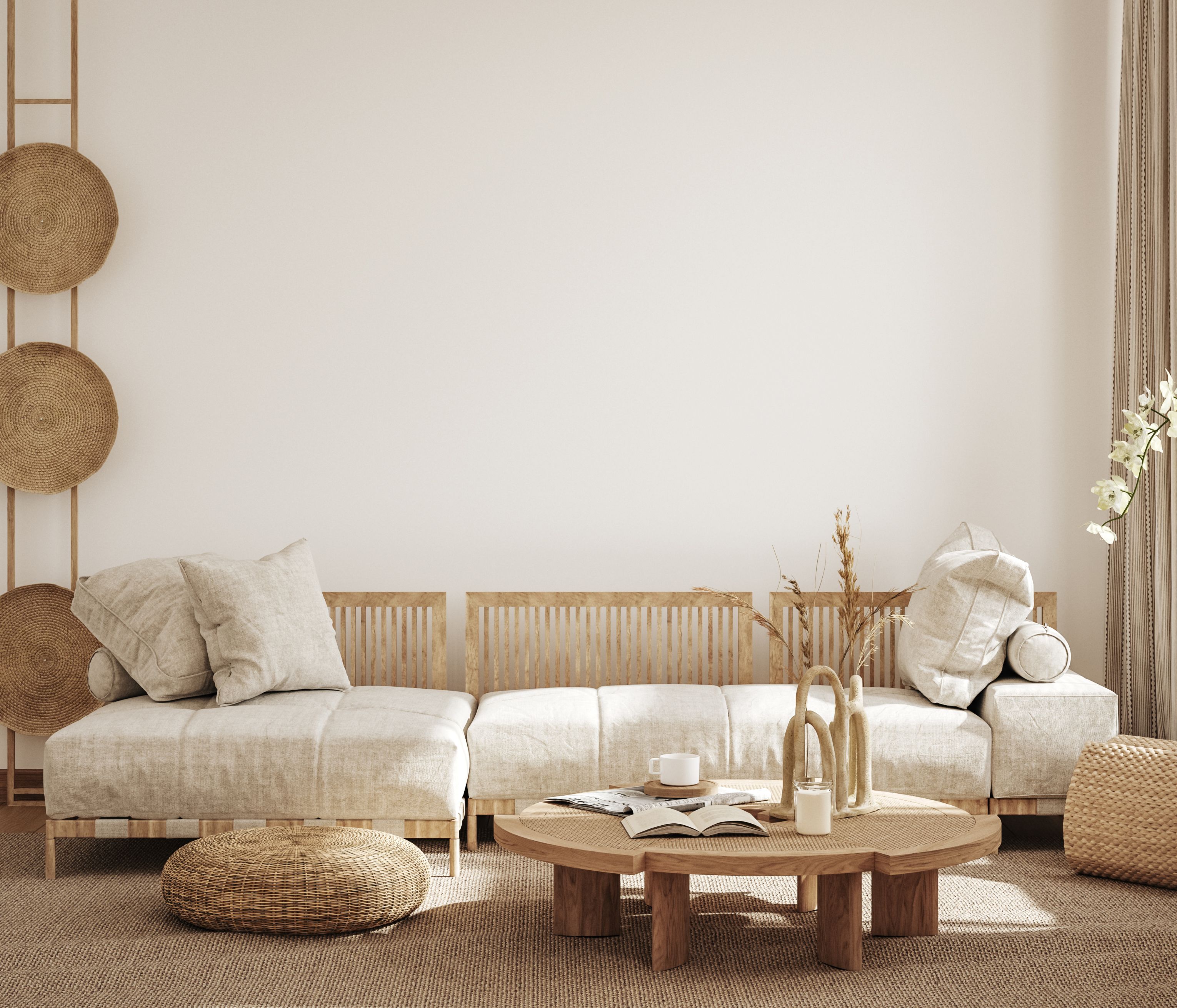
The concept of biophilic design stems from the biophilia hypothesis, which suggests that humans have an innate connection to nature. This connection can be fostered through the use of natural materials, plants, natural lighting, and other elements that mimic the outdoors.
Why Ontario is Embracing Biophilic Design
Ontario, with its vast landscapes and rich natural beauty, provides the perfect backdrop for biophilic design. The province's residents are increasingly looking to incorporate more of this natural beauty into their everyday environments. Whether it's a home, office, or public space, the goal is to create a setting that feels both calming and invigorating.
Several factors contribute to the growing trend of biophilic design in Ontario. The increasing awareness of environmental issues and the desire for sustainable living have encouraged designers and architects to prioritize nature-inspired spaces. Additionally, the health benefits associated with biophilic elements, such as reduced stress and enhanced creativity, appeal to many.
Key Elements of Biophilic Design
Incorporating biophilic design involves several key elements:
- Natural Light: Maximizing natural light helps regulate circadian rhythms and improves mood.
- Greenery: Indoor plants and green walls can purify the air and bring a sense of tranquility.
- Natural Materials: Using wood, stone, and other organic materials adds warmth and texture.
- Water Features: The presence of water can create a soothing ambiance.

The Benefits of Biophilic Design
Biophilic design offers numerous benefits that make it an attractive choice for Ontarians. Studies have shown that environments enriched with natural elements can lead to improved concentration and productivity. This is particularly relevant in office settings, where enhancing employee well-being can lead to better performance.
Furthermore, biophilic spaces can significantly impact mental health. Exposure to nature is known to reduce stress levels, and incorporating these elements into daily life can have a similar effect. This makes biophilic design a popular choice for healthcare facilities and educational institutions.
Biophilic Design in Urban Spaces
In urban areas of Ontario, where access to nature may be limited, biophilic design becomes even more essential. By integrating nature into urban architecture, cities can create more livable and enjoyable environments. Rooftop gardens, vertical forests, and nature-inspired public spaces are just a few examples of how biophilic design can transform urban living.

Challenges and Considerations
While biophilic design offers many benefits, there are challenges to consider. The initial cost of incorporating natural elements can be higher, and finding the right balance between nature and functionality requires careful planning. Additionally, ongoing maintenance of plants and natural features must be factored into the design process.
Despite these challenges, the long-term benefits often outweigh the initial investment, as biophilic spaces can lead to increased property values and enhanced quality of life.
The Future of Biophilic Design in Ontario
As more people in Ontario become aware of the benefits of biophilic design, its popularity is expected to continue growing. The trend aligns with global movements toward sustainability and wellness, making it a forward-thinking choice for modern living.
Whether in residential, commercial, or public spaces, biophilic design is redefining how we interact with our environments. By embracing this approach, Ontario is setting a precedent for a healthier and more sustainable future.