Eco-Friendly Architectural Trends in Canada: A Guide for the 2020s


Embracing Sustainable Design
As the world focuses on sustainable living, Canada is at the forefront of eco-friendly architectural trends. The 2020s have seen a surge in green building practices that not only reduce environmental impact but also promote healthier living spaces. This guide explores the top trends shaping Canadian architecture today.
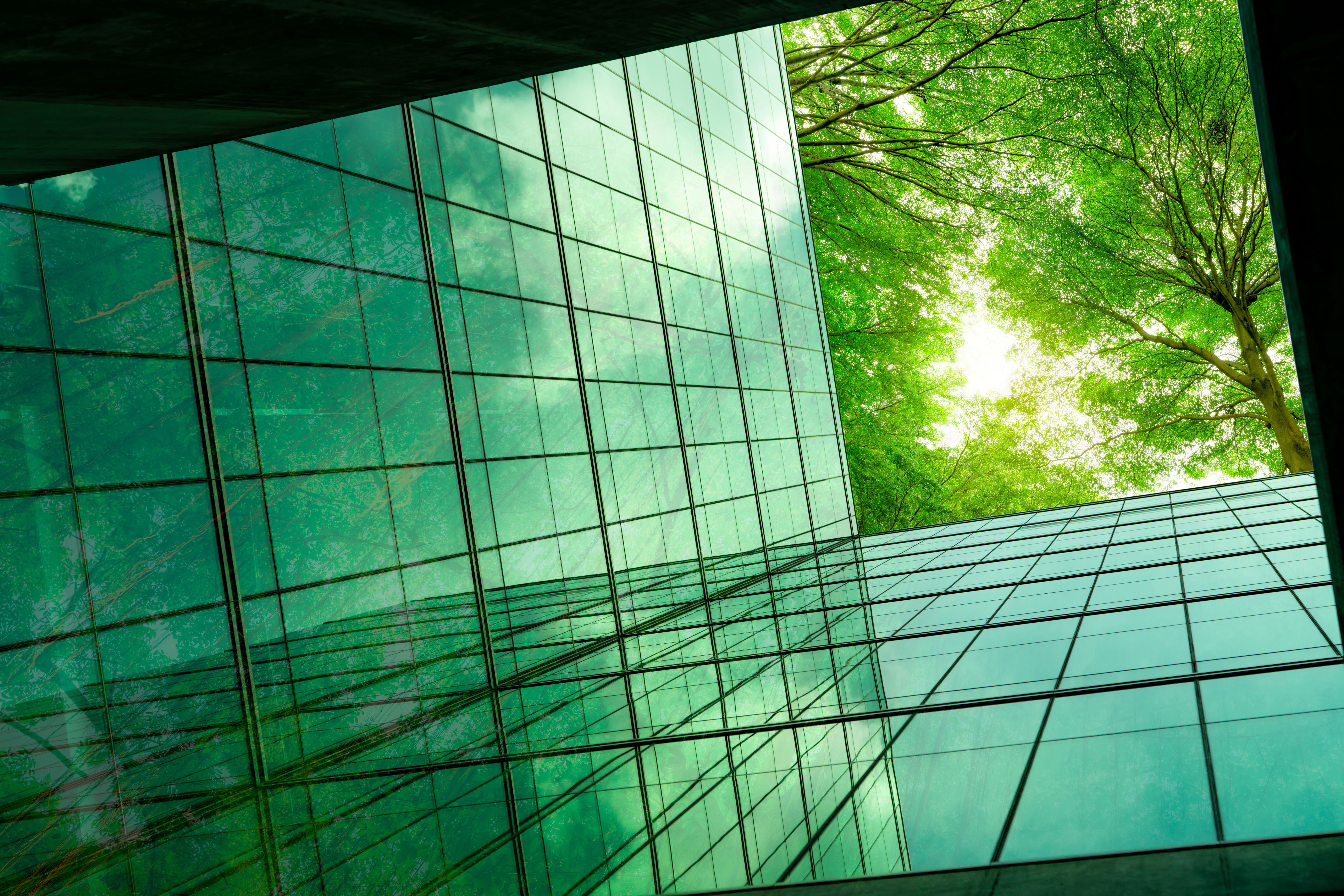
Green Building Certifications
One of the most significant shifts in Canadian architecture is the emphasis on obtaining green building certifications. Programs like LEED (Leadership in Energy and Environmental Design) and BREEAM (Building Research Establishment Environmental Assessment Method) are gaining popularity. These certifications focus on sustainable site development, water savings, energy efficiency, and the use of sustainable materials.
Canadian architects are increasingly incorporating these standards into their designs, ensuring that buildings not only meet but exceed environmental expectations. This trend highlights a commitment to environmental stewardship and positions Canada as a leader in sustainable design.
Innovative Use of Materials
The use of eco-friendly materials is a hallmark of modern Canadian architecture. Recycled and locally sourced materials reduce the carbon footprint while supporting local economies. Materials like bamboo, reclaimed wood, and recycled metal are becoming standard in new constructions.

Furthermore, advancements in technology have introduced innovative materials like cross-laminated timber (CLT), which offers strength and sustainability. CLT is gaining traction for its ability to store carbon, making it a preferred choice for reducing a building's overall carbon footprint.
Energy Efficiency and Smart Technology
Energy efficiency is a crucial component of eco-friendly architecture. Canadian architects are integrating smart technology to optimize energy use, from solar panels to intelligent heating and cooling systems. Energy-efficient windows and superior insulation are also standard features in new constructions.

Smart home technology allows for real-time monitoring and control of energy consumption, providing homeowners with insights to reduce waste. This integration not only cuts down on utility bills but also decreases the environmental impact, aligning with Canada’s commitment to sustainability.
Urban Greening and Biophilic Design
Urban areas across Canada are experiencing a transformation with a focus on greening and biophilic design. This approach integrates nature into urban environments, enhancing air quality and promoting mental well-being. Rooftop gardens, green walls, and community green spaces are becoming more prevalent in Canadian cities.
Biophilic design not only beautifies urban landscapes but also supports biodiversity and reduces urban heat. This trend reflects a growing understanding of the importance of connecting with nature, even in densely populated areas.
Future of Eco-Friendly Architecture in Canada
The future of eco-friendly architecture in Canada is bright, with continuous advancements and a strong commitment to sustainability. As more Canadians prioritize environmental responsibility, architects and builders are responding with innovative solutions that meet these needs.
By embracing these trends, Canada is setting an example for the world, demonstrating that sustainable living and modern architecture can coexist harmoniously. As we move further into the 2020s, these eco-friendly practices will undoubtedly become the norm, shaping a greener future for generations to come.