Eco-Friendly Architectural Trends in the 2020s: A Canadian Perspective


Introduction to Eco-Friendly Architecture
The 2020s have ushered in a new era of architectural innovation, with a strong focus on sustainability. In Canada, this trend is gaining momentum as architects and builders strive to create structures that are not only aesthetically pleasing but also environmentally responsible. This shift is driven by a growing awareness of climate change and a commitment to reducing the carbon footprint of the built environment.
Eco-friendly architecture in Canada is characterized by a range of innovative practices and materials designed to minimize environmental impact. These trends are not only transforming urban landscapes but are also enriching the quality of life for residents across the nation.
Sustainable Building Materials
One of the most significant trends in Canadian architecture is the use of sustainable building materials. Builders are increasingly opting for materials that are renewable, recyclable, and locally sourced. This includes bamboo, reclaimed wood, and recycled metal, all of which reduce the need for new raw materials and lower transportation emissions.
The use of cross-laminated timber (CLT) is particularly noteworthy. CLT is a versatile and sustainable material that offers excellent structural strength while being lighter and more eco-friendly than traditional concrete and steel.
Energy Efficiency in Design
Energy efficiency is at the forefront of eco-friendly architectural design in Canada. Architects are employing various techniques to reduce energy consumption, such as maximizing natural light through strategic window placement and using high-performance insulation to maintain indoor temperatures.
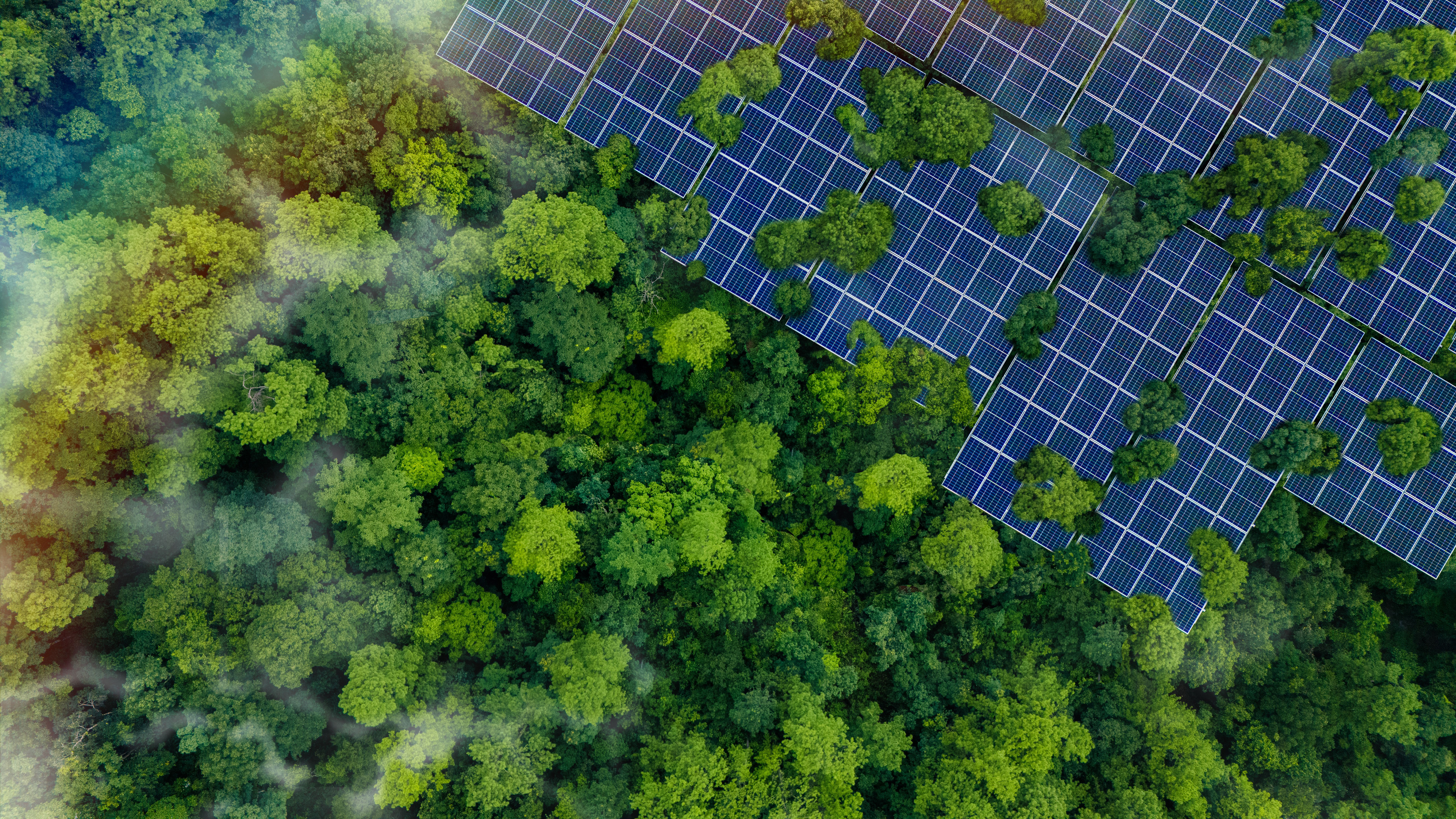
Moreover, the integration of solar panels and other renewable energy sources is becoming commonplace. These installations not only reduce reliance on non-renewable energy but also offer long-term cost savings for building owners.
Green Roofs and Urban Biodiversity
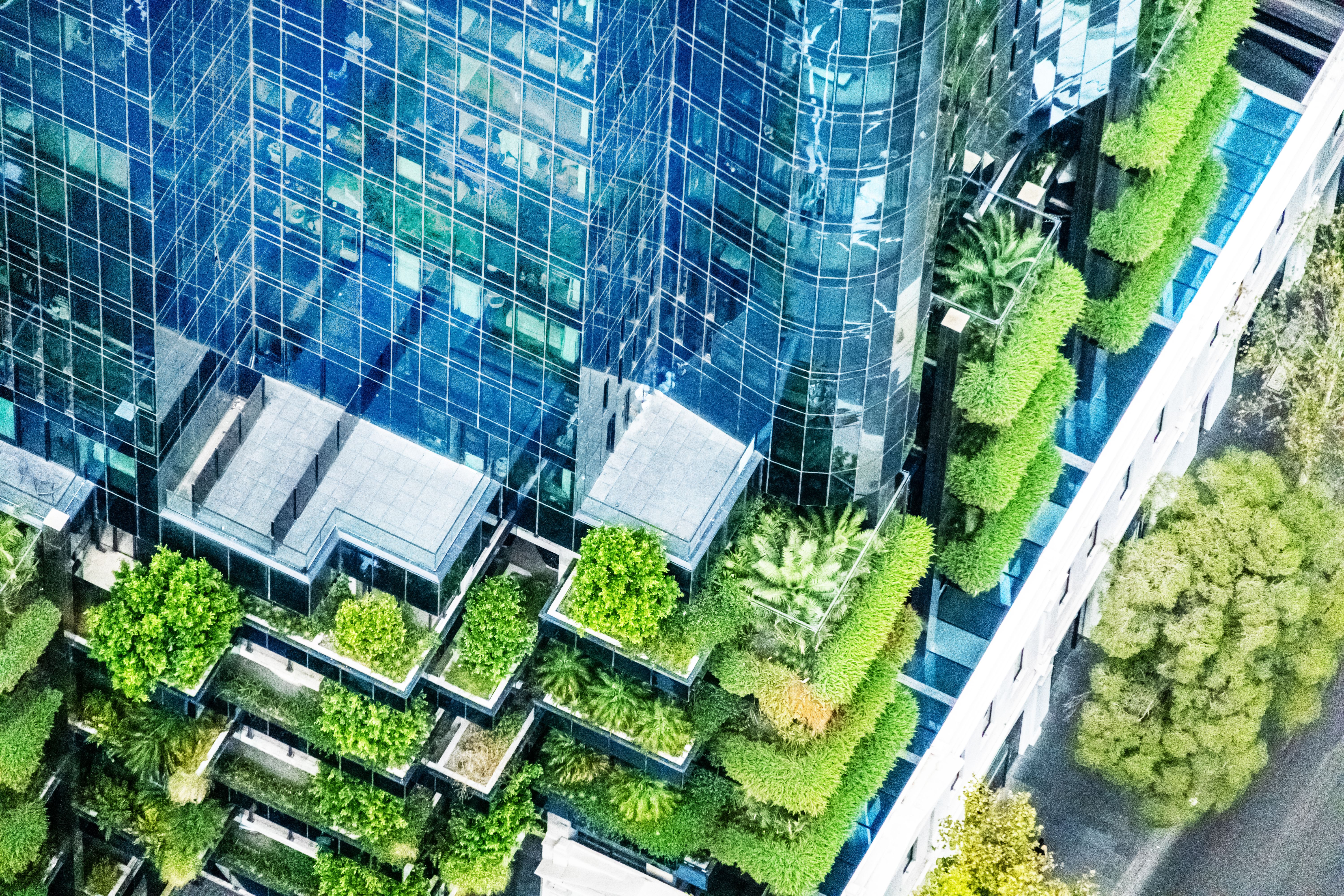
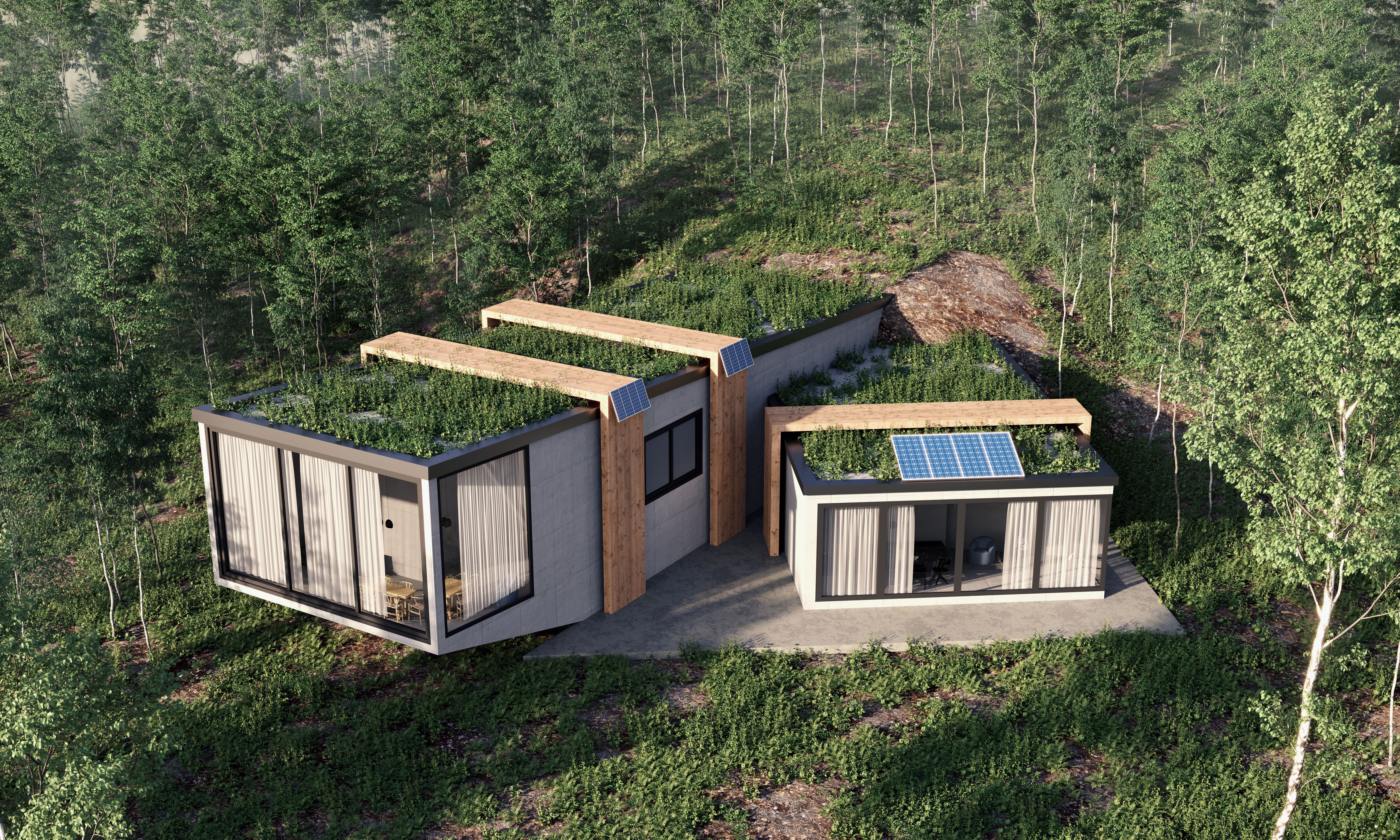
Green roofs are another exciting trend in Canadian architecture. These living roofs are covered with vegetation, providing excellent insulation while managing stormwater runoff and improving air quality. They also create habitats for urban wildlife, promoting biodiversity in city environments.
In addition to green roofs, vertical gardens and green walls are being incorporated into building designs, further enhancing urban greenery and contributing to the well-being of city dwellers.
Smart Building Technologies
Smart technologies are playing a crucial role in the evolution of eco-friendly architecture. In Canada, buildings are increasingly equipped with smart systems that optimize energy use, monitor environmental conditions, and enhance occupant comfort.
These technologies include automated lighting systems, smart thermostats, and advanced ventilation systems, all of which contribute to a building’s overall sustainability and efficiency.
The Future of Eco-Friendly Architecture in Canada
As we move further into the decade, the commitment to eco-friendly architecture in Canada shows no signs of slowing down. With continued advancements in technology and a growing emphasis on environmental responsibility, the architectural landscape is poised for even more innovative developments.
By embracing these trends, Canada is setting a benchmark for sustainable architecture, demonstrating how thoughtful design can harmonize with nature while addressing the challenges of climate change.