Expert Insights: The Future of Sustainable Architecture in the GTA


Understanding Sustainable Architecture
As the Greater Toronto Area (GTA) continues to evolve, the importance of sustainable architecture has never been more pressing. With an ever-growing population and increasing environmental concerns, architects and developers are focusing on creating buildings that are not only aesthetically pleasing but also environmentally responsible.
Sustainable architecture in the GTA aims to reduce the negative environmental impact of buildings by enhancing efficiency and moderation in the use of materials, energy, and development space. This approach is not just a trend but a necessity for the future of urban development.

The Role of Technology
Technology plays a crucial role in advancing sustainable architecture. Innovations such as smart building systems, energy-efficient materials, and renewable energy sources are transforming the construction landscape. These technologies enable architects to design structures that are both sustainable and economically viable.
Smart building systems, for example, allow for real-time monitoring of energy consumption, helping to reduce waste and optimize efficiency. This technological integration is essential for creating buildings that meet the demands of modern living without compromising on sustainability.
Community Impact and Integration
Sustainable architecture is not just about individual buildings; it also encompasses the larger community. In the GTA, there is a growing emphasis on creating neighborhoods that promote sustainability through green spaces, public transportation, and community-focused designs.
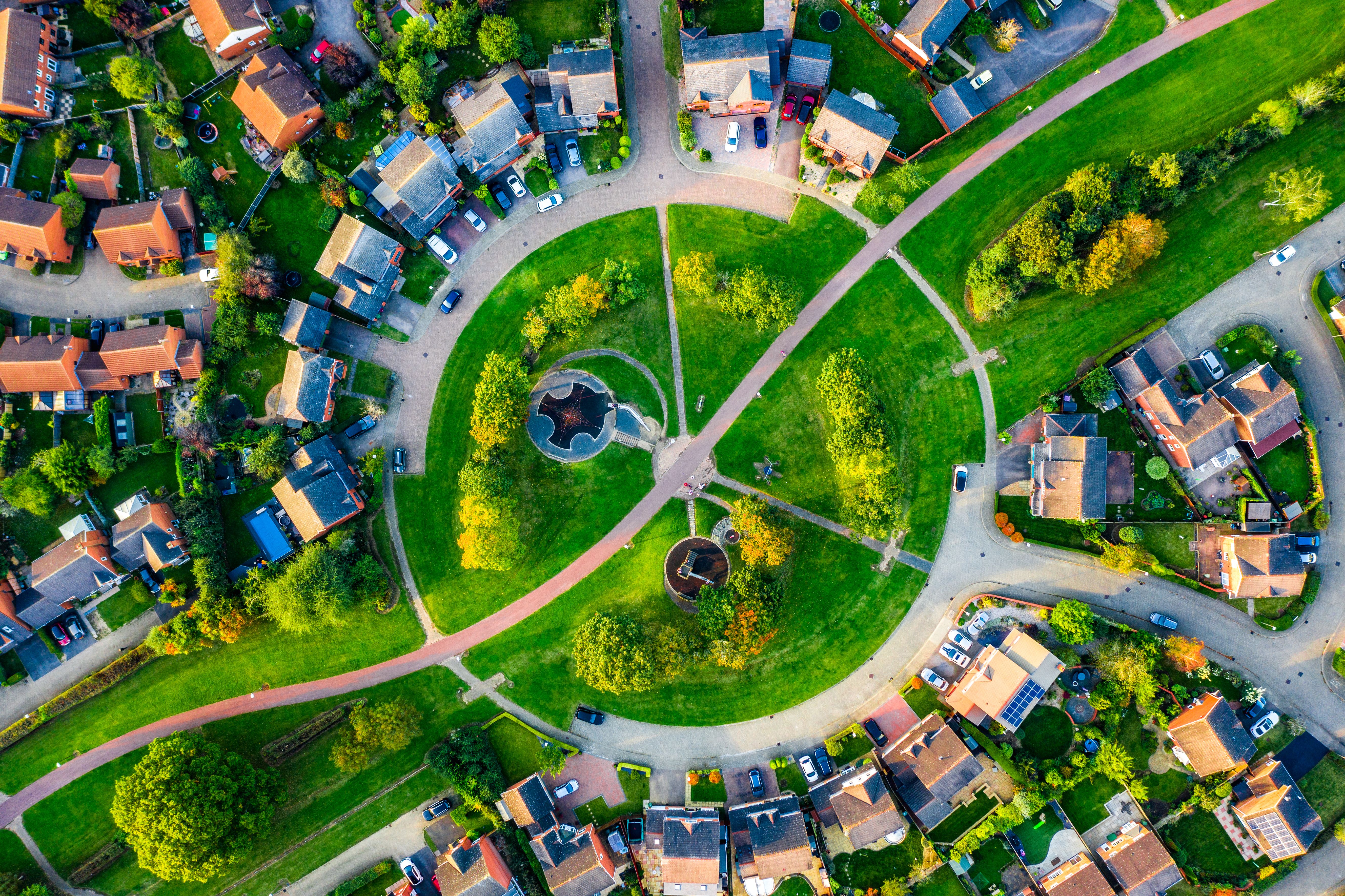
By integrating sustainable practices into community planning, architects can help reduce the carbon footprint of entire neighborhoods. This holistic approach ensures that sustainability is woven into the fabric of urban life, benefiting residents and the environment alike.
Challenges and Opportunities
While the future of sustainable architecture in the GTA looks promising, there are challenges to overcome. Cost remains a significant barrier, as sustainable materials and technologies can be more expensive than traditional options. However, the long-term savings in energy and maintenance often outweigh the initial investment.
Opportunities abound for those willing to innovate. The demand for green buildings is increasing, driven by consumer awareness and regulatory requirements. Architects and developers who embrace sustainability can lead the way in shaping the future of urban living.
The Path Forward
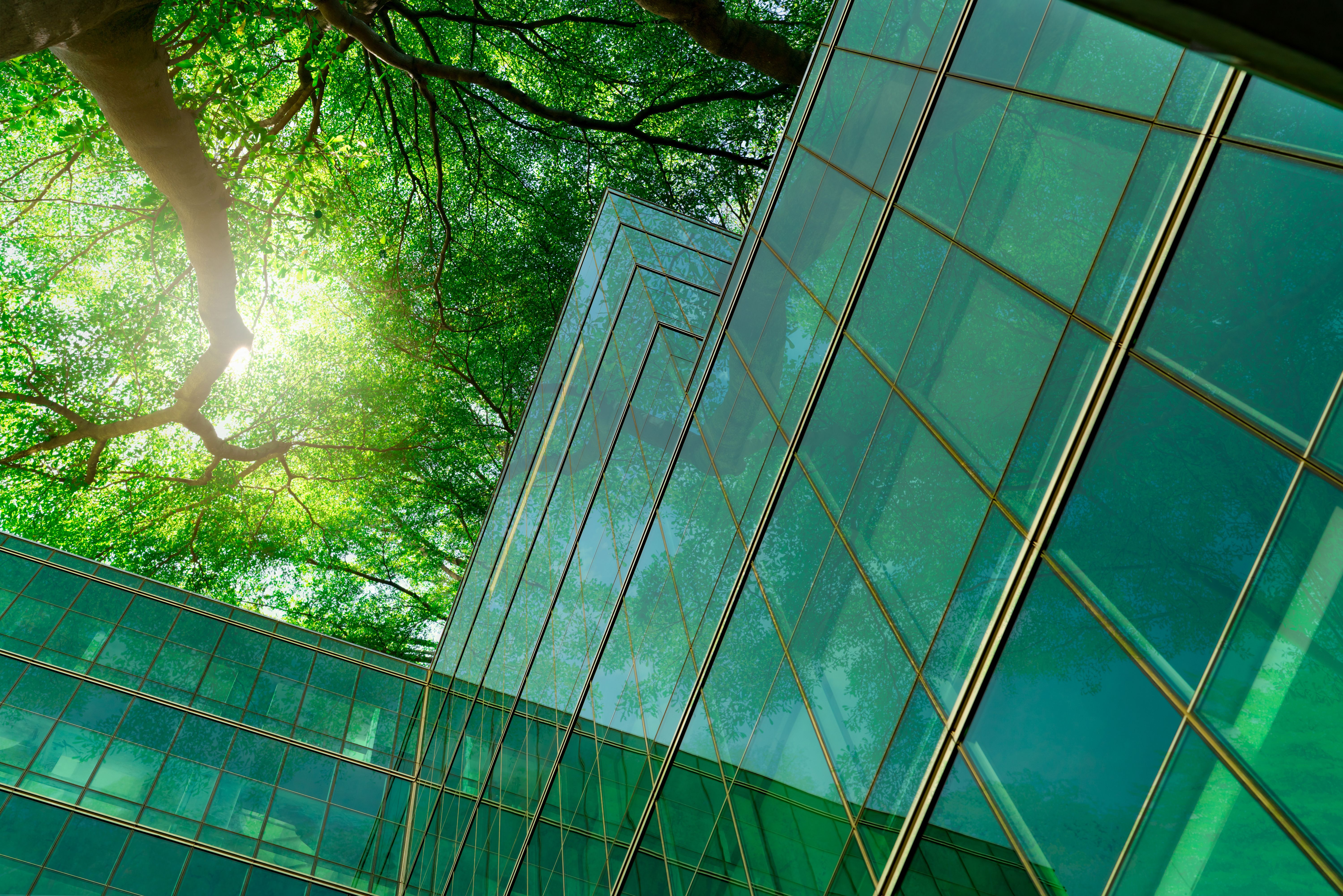
Looking ahead, the focus will be on creating adaptive, resilient buildings that can withstand environmental changes. This requires a collaborative approach, bringing together architects, developers, policymakers, and the community to work towards common goals.
The future of sustainable architecture in the GTA is bright, with endless possibilities for innovation and growth. By prioritizing sustainability, the region can set a benchmark for urban development worldwide, creating a lasting positive impact on the environment and society.