Exploring the Latest Trends in Architecture Design


Embracing Sustainability in Architecture
In recent years, sustainability has become a cornerstone of architectural design. Architects are increasingly focused on creating eco-friendly structures that minimize environmental impact. This trend includes the use of sustainable materials, energy-efficient technologies, and designs that maximize natural light.
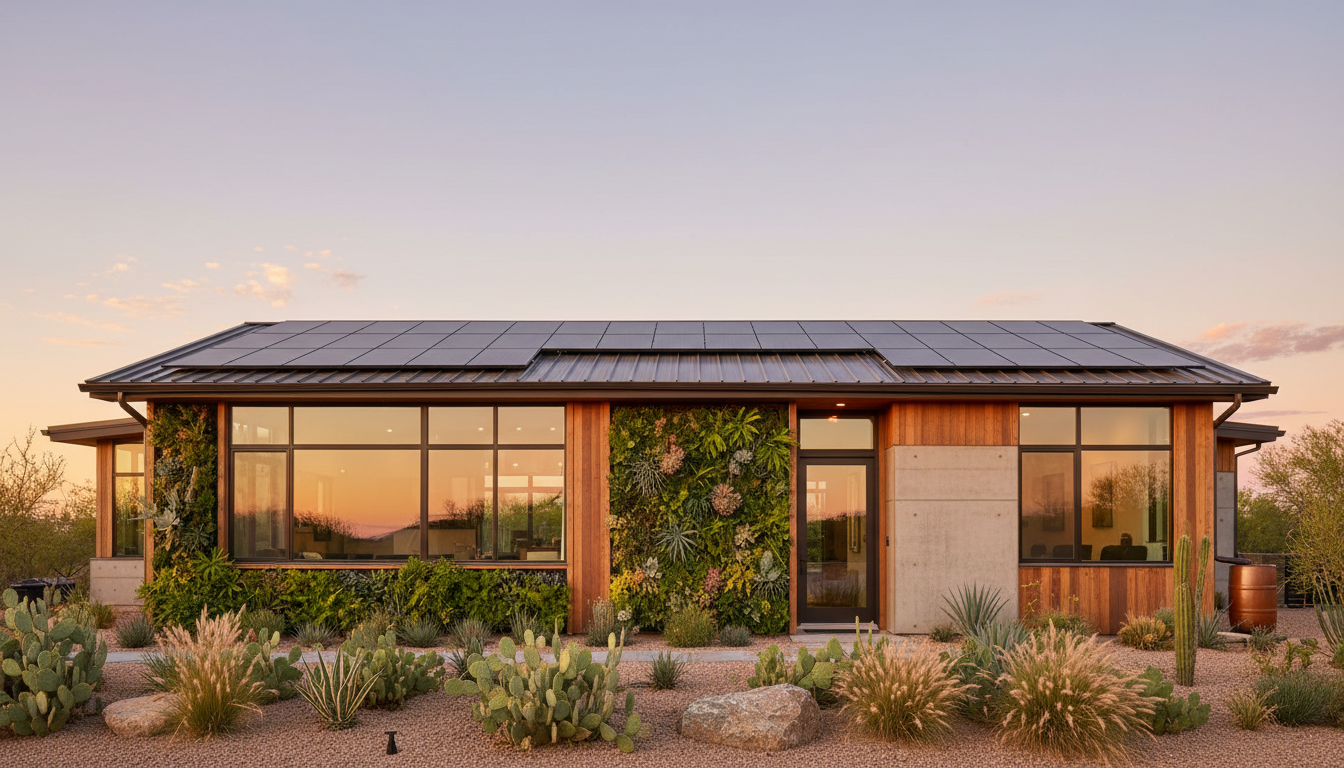
Some key materials gaining popularity include bamboo, recycled steel, and reclaimed wood. These not only reduce the carbon footprint but also add unique aesthetic elements to modern designs. Additionally, green roofs and solar panels are becoming standard features in new constructions.
Biophilic Design: Bringing Nature Indoors
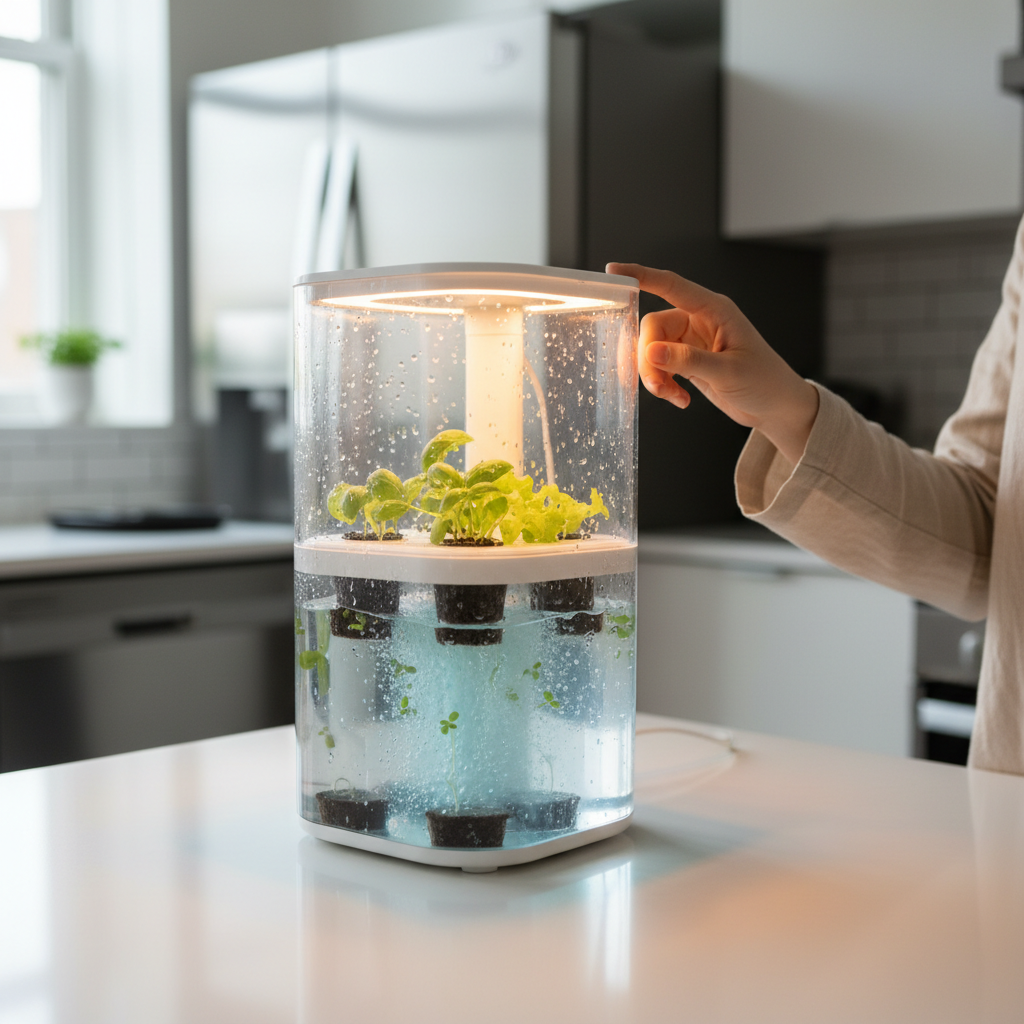
Biophilic design is a trend that emphasizes the connection between indoor spaces and the natural environment. This approach integrates natural elements such as plants, water features, and natural light to enhance the well-being of occupants.
Studies have shown that biophilic design can improve mood, increase productivity, and reduce stress. Architects are implementing large windows, indoor gardens, and natural materials to create a harmonious atmosphere that reflects the beauty of the outside world.
The Rise of Smart Buildings
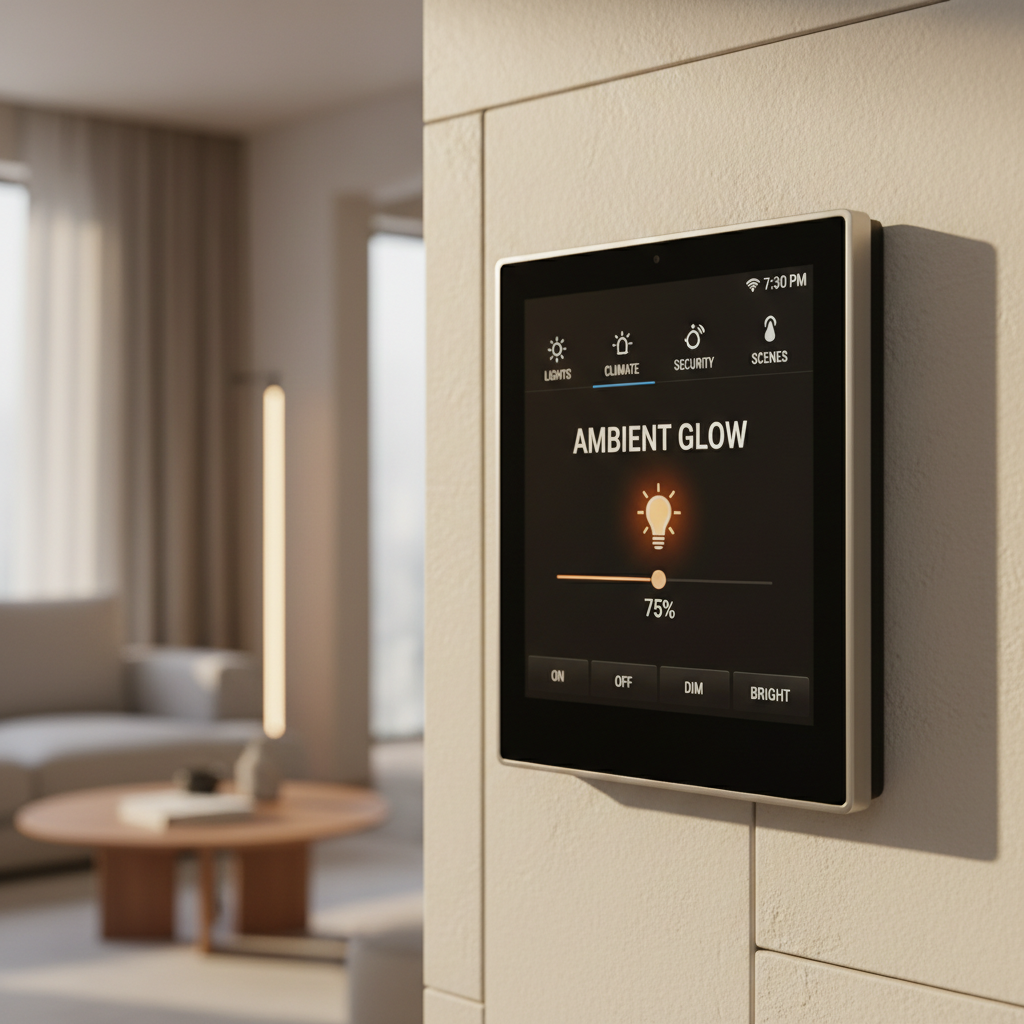
As technology advances, smart buildings are becoming more prevalent. These buildings utilize the Internet of Things (IoT) to create interconnected systems that enhance comfort, security, and energy efficiency. From automated lighting and climate control to advanced security systems, smart buildings offer numerous benefits.
One of the significant advantages of smart buildings is their ability to collect and analyze data. This information can be used to optimize energy use, improve maintenance schedules, and create a more responsive environment for occupants.
Minimalism: Less is More
Minimalism continues to be a dominant trend in architecture, characterized by simplicity and functionality. This style focuses on open spaces, clean lines, and a limited color palette to create a sense of calm and order.
Minimalist designs often incorporate multifunctional spaces and furniture to maximize utility without cluttering the environment. This approach not only enhances the aesthetic appeal but also promotes a more sustainable lifestyle by encouraging the use of fewer resources.
Adaptive Reuse: Breathing New Life into Old Structures
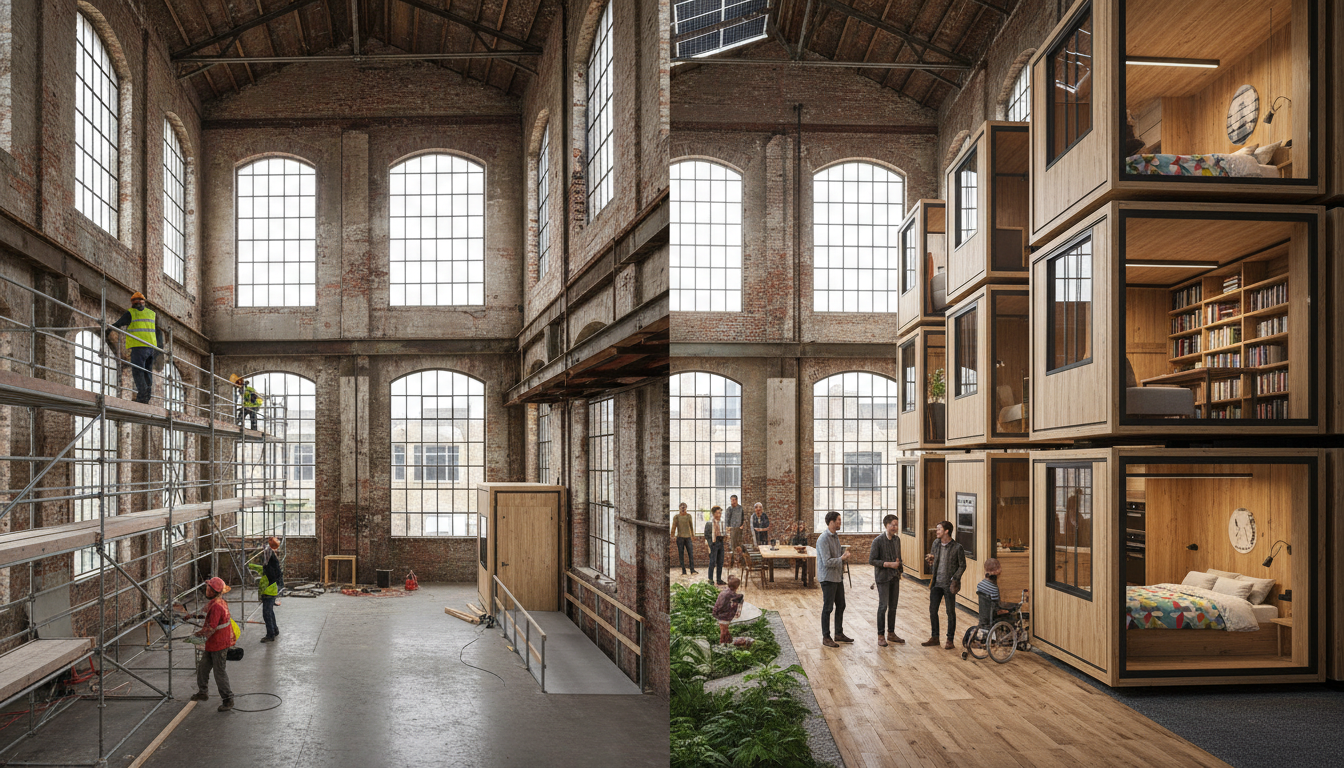
Adaptive reuse involves repurposing existing buildings for new uses, preserving historical elements while updating structures for modern needs. This trend is gaining traction as it combines sustainability with cultural preservation.
By transforming old factories into modern office spaces or converting warehouses into trendy apartments, architects can retain the character of a building while making it functional for today’s needs. Adaptive reuse is a creative solution to urban development challenges.
Conclusion
Architecture is constantly evolving, influenced by technological advancements, environmental considerations, and cultural shifts. By embracing these latest trends, architects are designing spaces that are not only aesthetically pleasing but also sustainable, functional, and in tune with the natural world.
The future of architecture looks promising, with innovative solutions that address both human and environmental needs, paving the way for a more sustainable and connected world.