Innovative Architecture Trends: Embracing Biophilic Design Principles


The Rise of Biophilic Design
In recent years, the concept of biophilic design has gained significant traction in the world of architecture. Rooted in the idea of integrating nature into built environments, this design principle is transforming spaces into healthier, more inspiring places to live and work. By embracing biophilic design, architects and designers are creating environments that not only look beautiful but also enhance well-being.

Key Elements of Biophilic Design
Biophilic design incorporates several key elements that bring the outdoors inside. These include natural lighting, organic materials, and greenery. By maximizing the use of natural light, architects can reduce the need for artificial lighting, creating a more sustainable and pleasant environment. The use of materials like wood, stone, and clay further connects occupants with the natural world.
Additionally, incorporating plants and green spaces within buildings has been shown to improve air quality and reduce stress levels. These elements work together to create spaces that feel alive and vibrant, enhancing the overall experience for the occupants.
The Benefits of Biophilic Architecture
Biophilic design offers numerous benefits that go beyond aesthetics. Studies have shown that environments rich in natural elements can improve mental health, boost productivity, and increase creativity. In offices, this can lead to more innovative thinking and a happier workforce. In homes, it can create a sanctuary that promotes relaxation and rejuvenation.
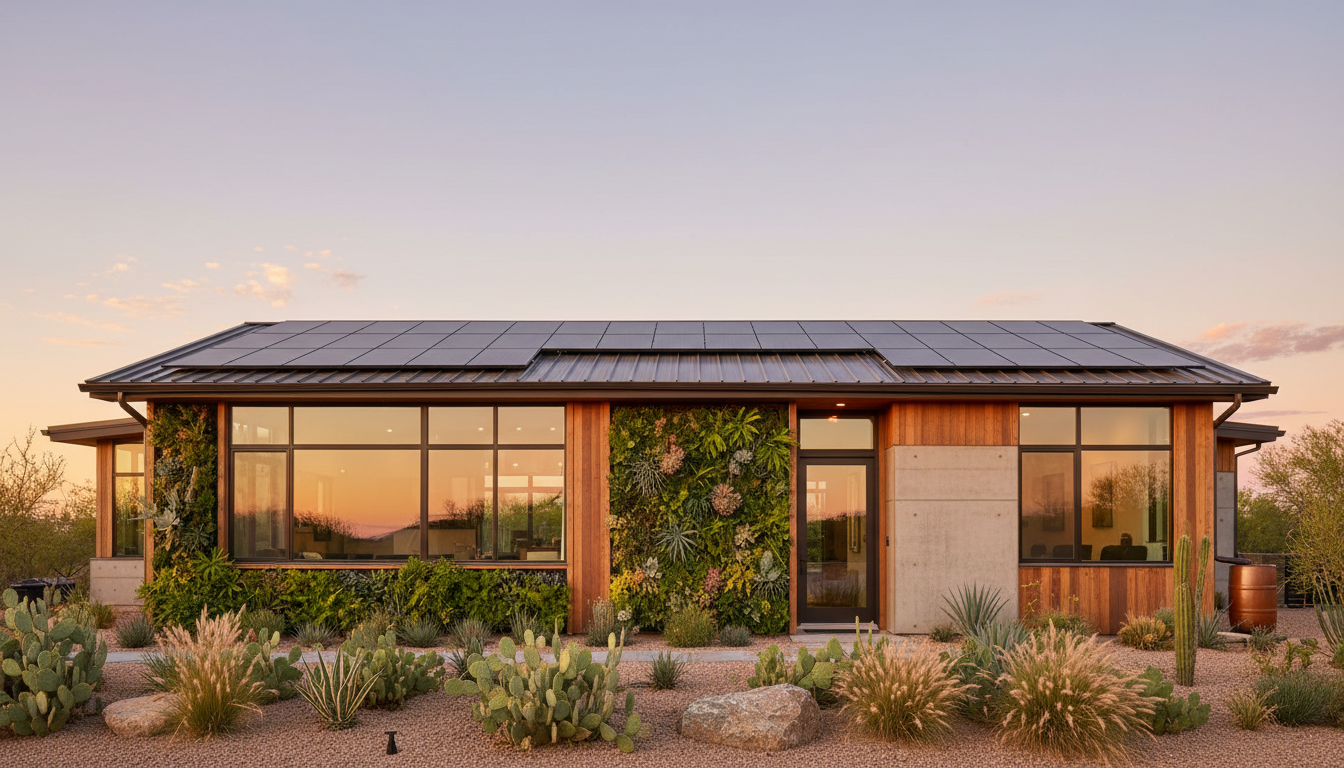
Moreover, biophilic architecture often includes sustainable practices, such as the use of renewable resources and energy-efficient systems. This not only reduces the environmental impact but also lowers operational costs in the long run.
Real-World Applications
Several iconic projects worldwide are showcasing the potential of biophilic design. For instance, the incorporation of vertical gardens and living walls in urban environments helps combat air pollution and heat. Such projects demonstrate how biophilic principles can be adapted to various settings, from residential homes to skyscrapers.
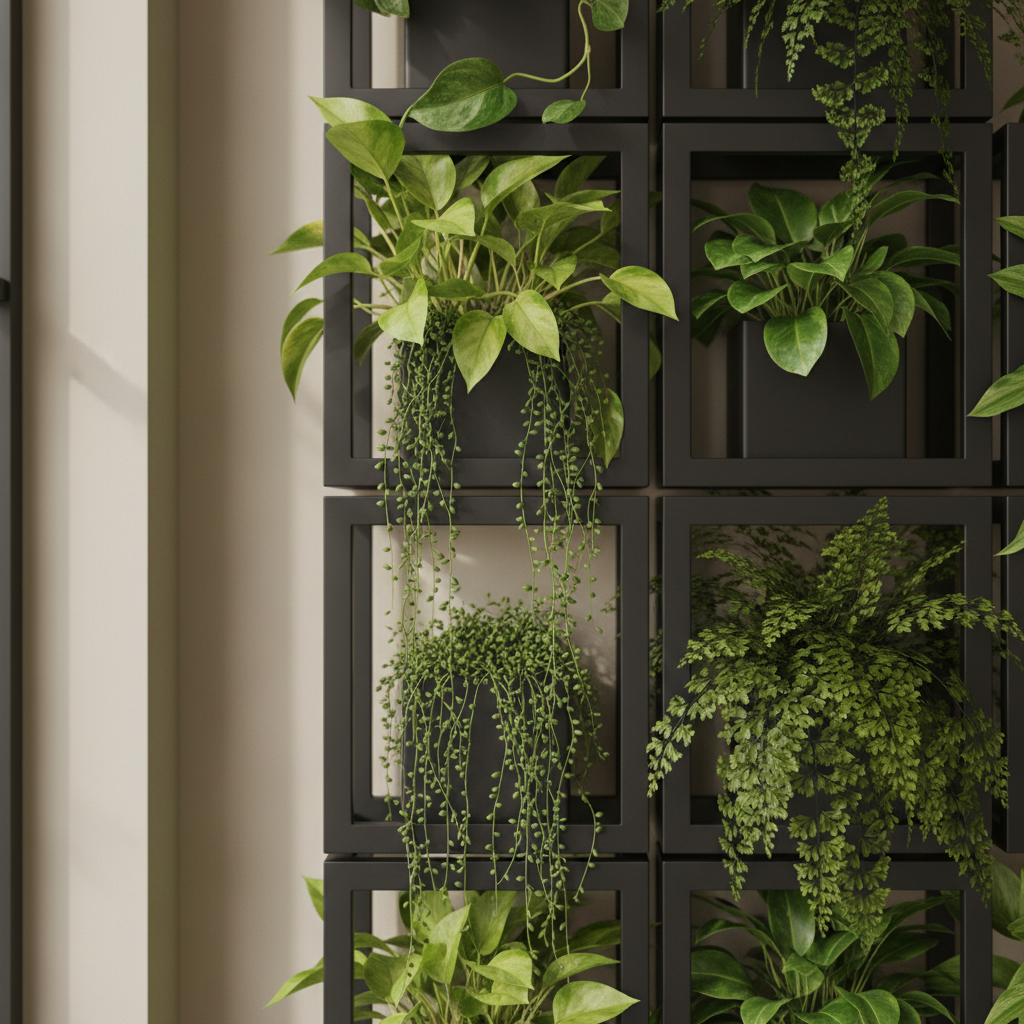
Incorporating water features, such as indoor waterfalls or ponds, adds another layer of tranquility and connection to nature. These elements can serve as focal points or calming backdrops, further enhancing the sensory experience.
Challenges and Considerations
While biophilic design offers numerous advantages, it also presents challenges. Cost can be a significant factor, as integrating natural elements may require specialized materials and construction techniques. Additionally, maintaining living components like plants requires ongoing care and management.
Despite these challenges, the long-term benefits often outweigh the initial investment. By prioritizing nature in design, architects can create spaces that foster a deeper connection to the environment and improve quality of life.
The Future of Biophilic Design
As the demand for sustainable and health-focused architecture grows, biophilic design is poised to become a standard practice rather than a trend. With advancements in technology and a greater understanding of how nature impacts human health, architects have more tools than ever to create innovative, nature-inspired spaces.
In the future, we can expect to see even more creative applications of biophilic principles, further blurring the lines between indoor and outdoor environments. This evolution will continue to shape the built environment, leading to healthier, more sustainable living and working spaces.