Myths About Winter-Proof Building Designs: What You Need to Know


As winter approaches, many homeowners and builders start considering how to protect their buildings from the harsh conditions. However, there are several myths about winter-proof building designs that can lead to misconceptions and mistakes. Understanding these myths is crucial for creating effective and efficient winter-proof structures.
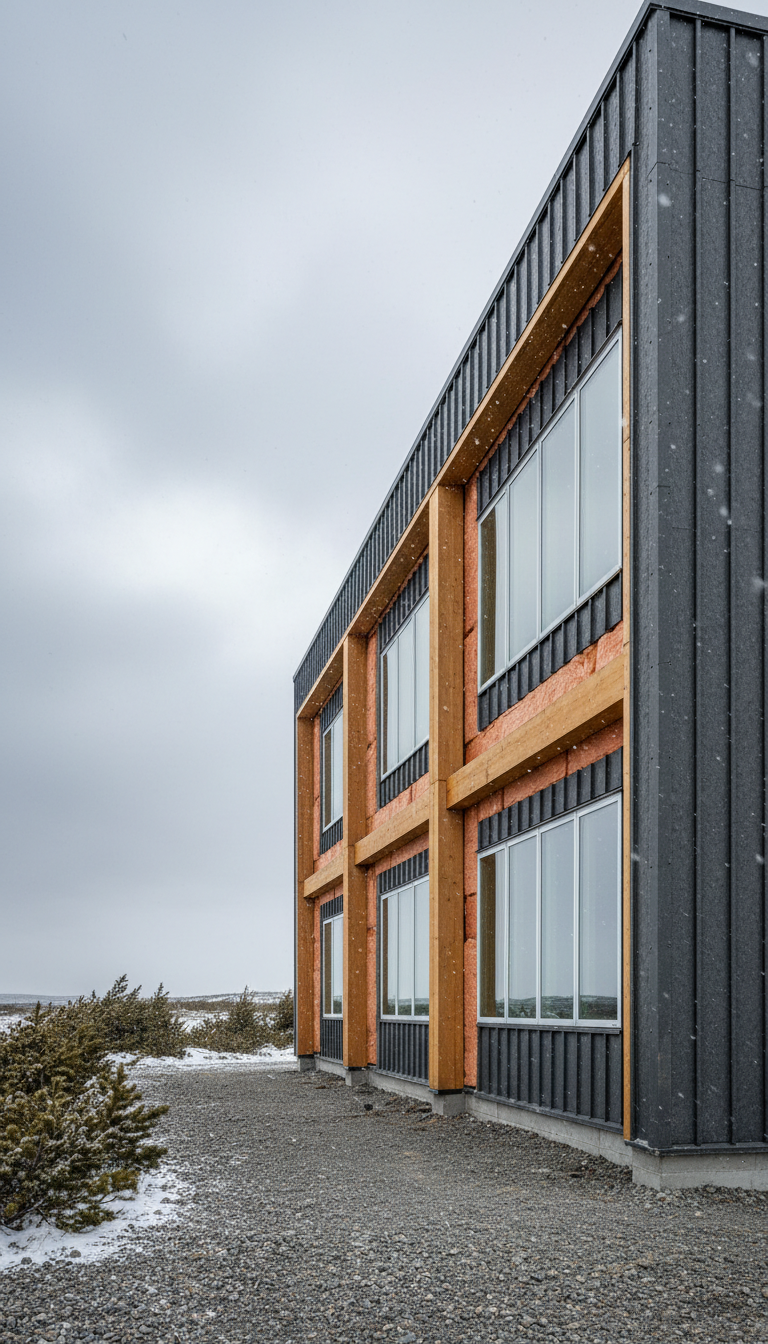
Myth 1: Thicker Walls Mean Better Insulation
It's a common belief that simply making walls thicker will provide better insulation. While thickness can help, the type of insulation material used is far more important. Modern materials like spray foam and rigid foam panels offer superior thermal resistance, even in thinner applications. The effectiveness of insulation is measured by its R-value, which indicates how well it resists heat flow. Choosing the right material can offer better insulation than simply increasing wall thickness.
Understanding R-Value
R-value is a key factor in selecting insulation. Higher R-value materials provide better insulation per inch of thickness. It's essential to choose the right insulation based on your climate and building needs, rather than relying solely on wall thickness.
Myth 2: Windows Are Always the Weak Link
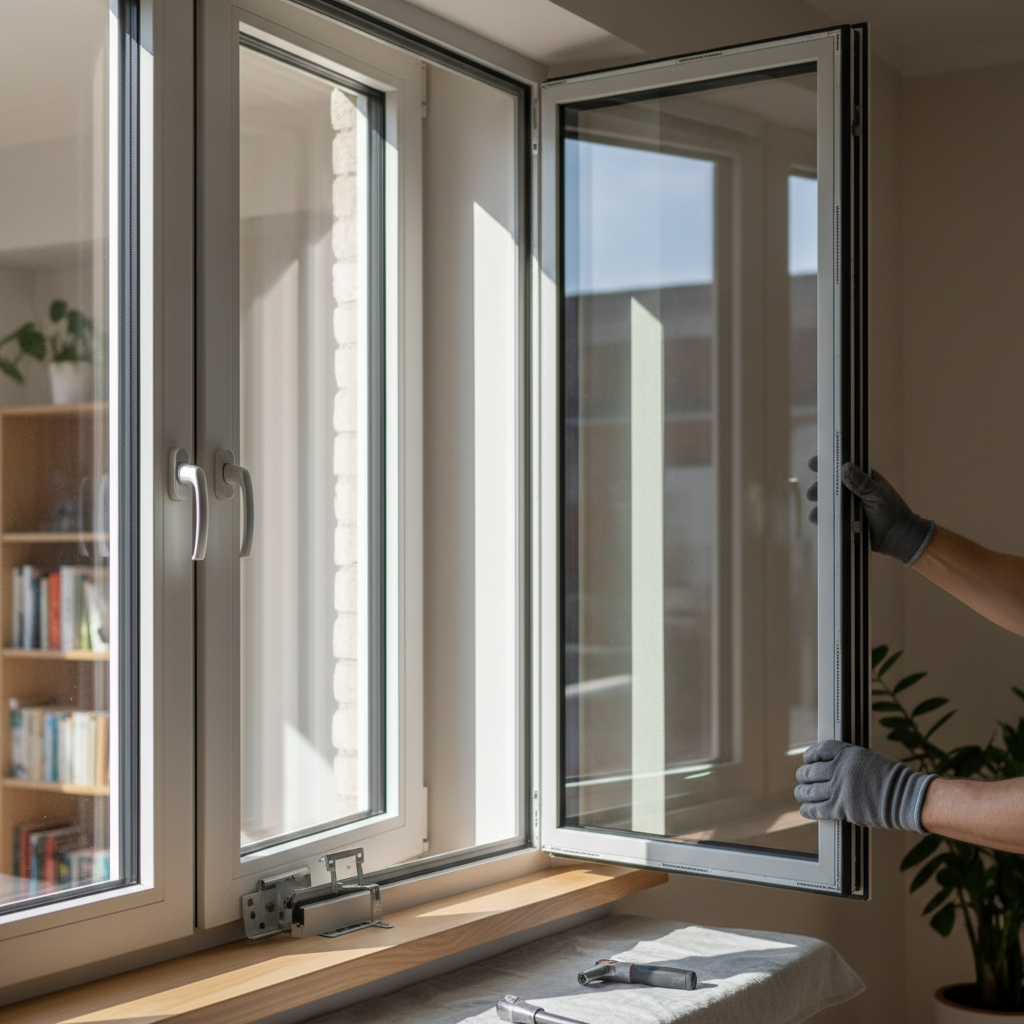
Windows often get blamed for heat loss in winter, leading to the assumption that they are the primary weak point in building design. While old or poorly installed windows can be problematic, modern windows with double or triple glazing and low-emissivity coatings are highly efficient. Proper installation and sealing are crucial to maximize their performance.
Choosing the Right Windows
When selecting windows, consider their U-value, which measures the rate of heat transfer. Lower U-values indicate better insulating properties. Additionally, ensure that windows are properly sealed and caulked to prevent drafts.
Myth 3: Roofs Don't Need Special Attention
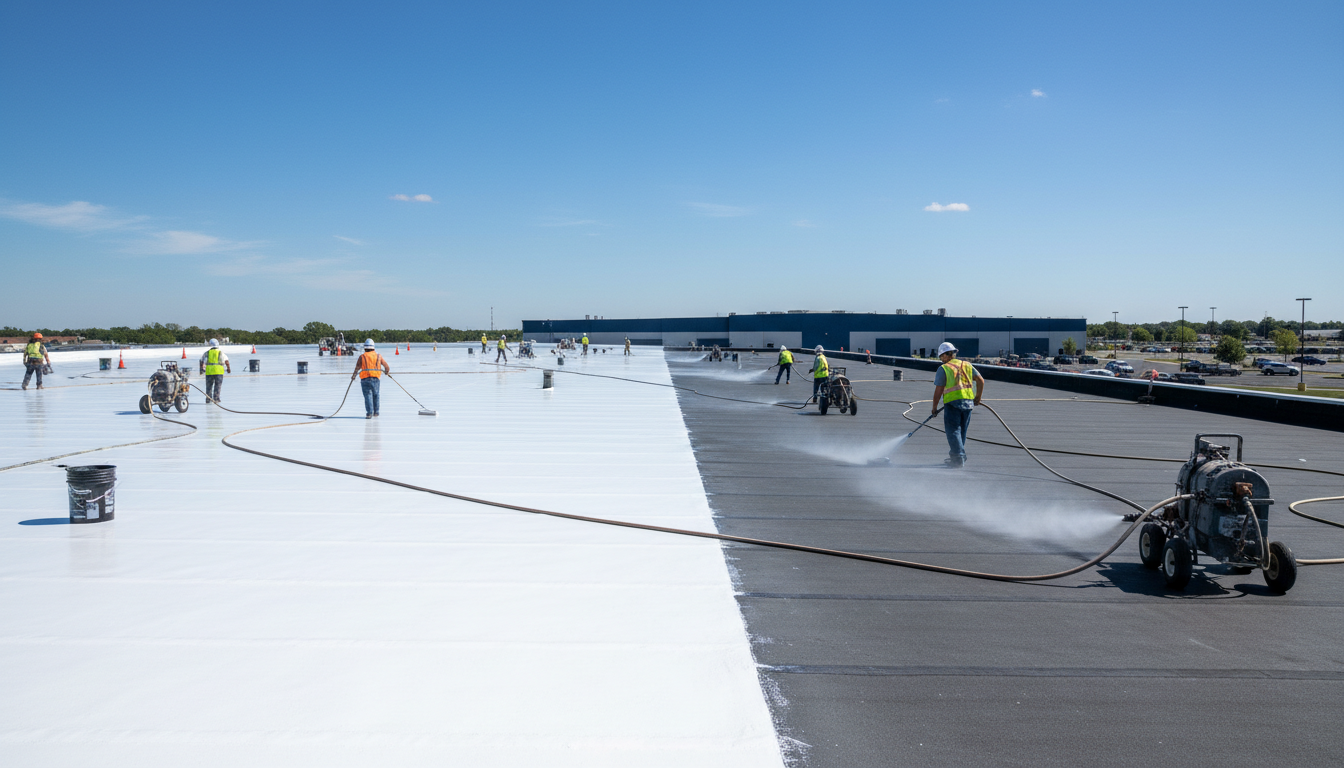
Many people believe that as long as a roof doesn't leak, it doesn't need any special consideration for winter. In reality, roofs play a critical role in winter-proofing a building. Ice dams, which occur when snow melts and refreezes at the roof's edge, can cause significant damage.
Preventing Ice Dams
- Ensure proper attic insulation to keep the roof surface cold.
- Install roof ventilation to allow warm air to escape.
- Use roof heating cables in problem areas to prevent ice formation.
Myth 4: All Heating Systems Are Equal
Some believe that any heating system will suffice as long as it produces heat. However, efficiency varies significantly between systems. Options like high-efficiency furnaces, heat pumps, and radiant floor heating can provide better energy savings and comfort.
Evaluating Your Heating Options
Consider the size of your building, climate, and energy costs when selecting a heating system. Consulting with a professional can help you choose the most efficient and effective option for your specific needs.
By understanding and addressing these myths, you can create a winter-proof building that not only withstands the elements but also offers comfort and efficiency. Remember that modern materials and technologies offer many solutions that go beyond traditional methods, ensuring your building remains cozy and protected throughout the winter months.