Sustainable Building Practices: Insights from Markham's Leading Architects


Introduction to Sustainable Building Practices
Sustainable building practices are becoming increasingly important as we strive to minimize our environmental impact and create healthier living spaces. In Markham, leading architects are pioneering innovative approaches to sustainable construction, setting a benchmark for eco-friendly design and functionality.
Innovative Materials and Techniques
The architects in Markham are at the forefront of using innovative materials that reduce environmental impact. These include recycled steel, bamboo, and reclaimed wood, which not only cut down on resource consumption but also offer durability and aesthetic appeal.
Moreover, techniques such as prefabrication and modular construction are being adopted to minimize waste and enhance efficiency. These methods not only speed up the building process but also ensure precision and reduce on-site waste.
Energy Efficiency and Renewable Resources
Energy efficiency is a cornerstone of sustainable architecture. Markham's architects are incorporating advanced insulation materials, energy-efficient windows, and smart HVAC systems to reduce energy consumption. Additionally, integrating renewable energy sources like solar panels and geothermal heating systems is becoming more common.

These efforts not only lower carbon footprints but also provide long-term cost savings for building owners. By harnessing the power of nature, these buildings are setting new standards in energy efficiency.
Water Conservation Strategies
Water conservation is another critical aspect of sustainable building. Architects are implementing rainwater harvesting systems and greywater recycling to reduce water usage. Low-flow fixtures and water-efficient landscaping further contribute to conservation efforts.
These strategies not only help in preserving precious water resources but also lead to reduced utility bills, making them a win-win for both the environment and occupants.

Healthy Indoor Environments
The health and well-being of occupants are prioritized in sustainable building designs. Markham's architects focus on improving indoor air quality by using non-toxic materials, ensuring proper ventilation, and incorporating plants for natural air purification.
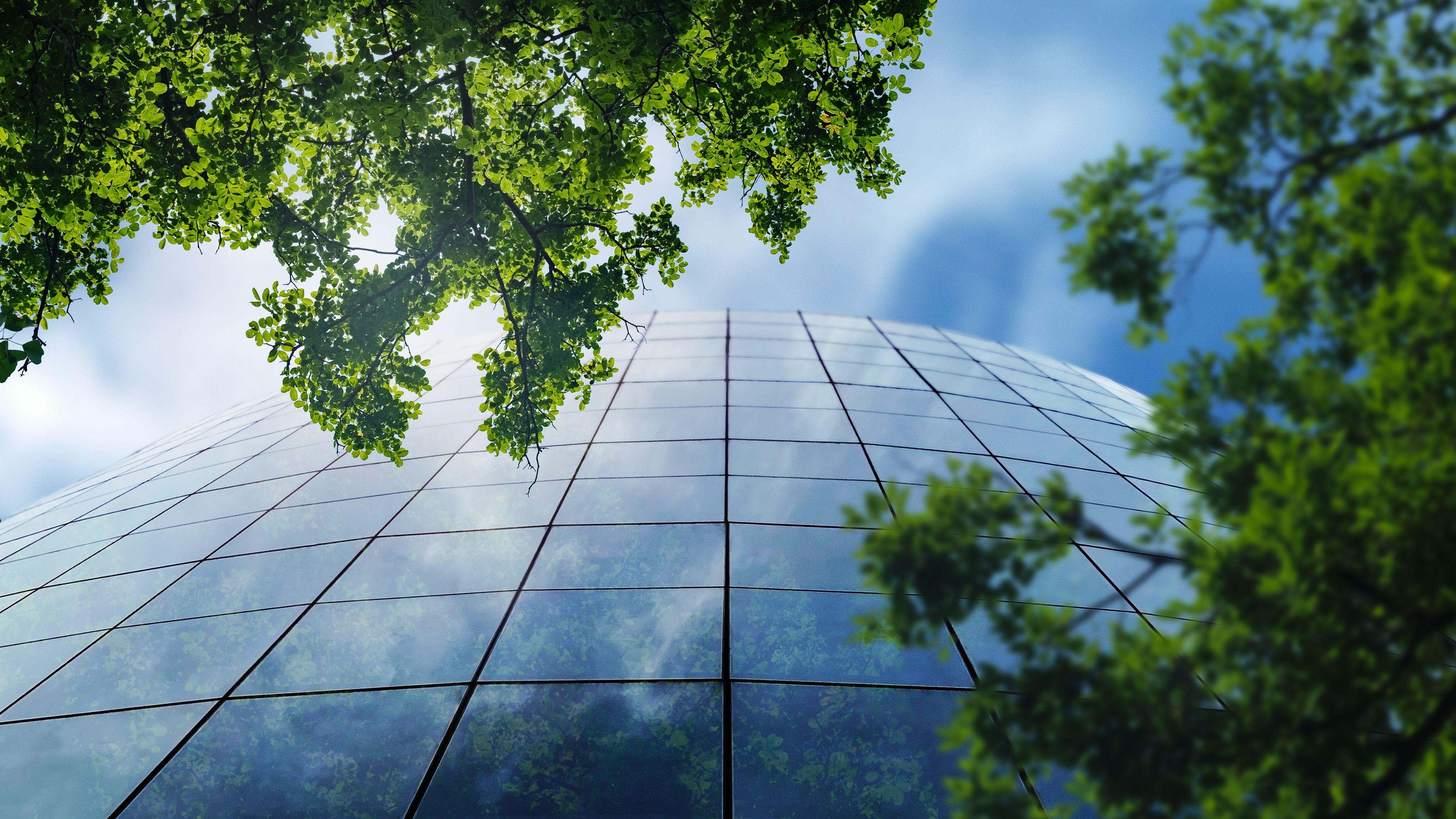
Biophilic design elements, which connect occupants with nature, are also being integrated. These include the use of natural light, green walls, and open spaces, all contributing to a healthier and more pleasant indoor environment.
Community and Social Benefits
Sustainable building practices not only benefit individual buildings but also contribute to the broader community. By reducing resource consumption and pollution, these practices support cleaner, healthier communities.
Moreover, sustainable buildings often become landmarks and sources of community pride, showcasing a commitment to environmental stewardship and innovation.
Conclusion
Markham's leading architects are redefining the future of construction through sustainable practices. By focusing on eco-friendly materials, energy efficiency, water conservation, and healthy living environments, they are setting a powerful example for others to follow.
As these practices continue to evolve, they promise a more sustainable, resilient, and harmonious future for our built environment.