The Future of Sustainable Architecture in Markham: Trends and Innovations


The city of Markham is at the forefront of sustainable architecture, embracing innovative practices that aim to create a greener future. As urban areas continue to expand, the importance of sustainable building practices becomes increasingly evident. Markham, known for its commitment to environmental responsibility, is exploring new trends and technologies in sustainable architecture.
One of the most significant trends in sustainable architecture is the integration of energy-efficient technologies. Buildings are being designed to consume less energy while maintaining comfort and functionality. This includes the use of advanced insulation materials, energy-efficient windows, and smart building systems that optimize energy use.

Green Roofs and Vertical Gardens
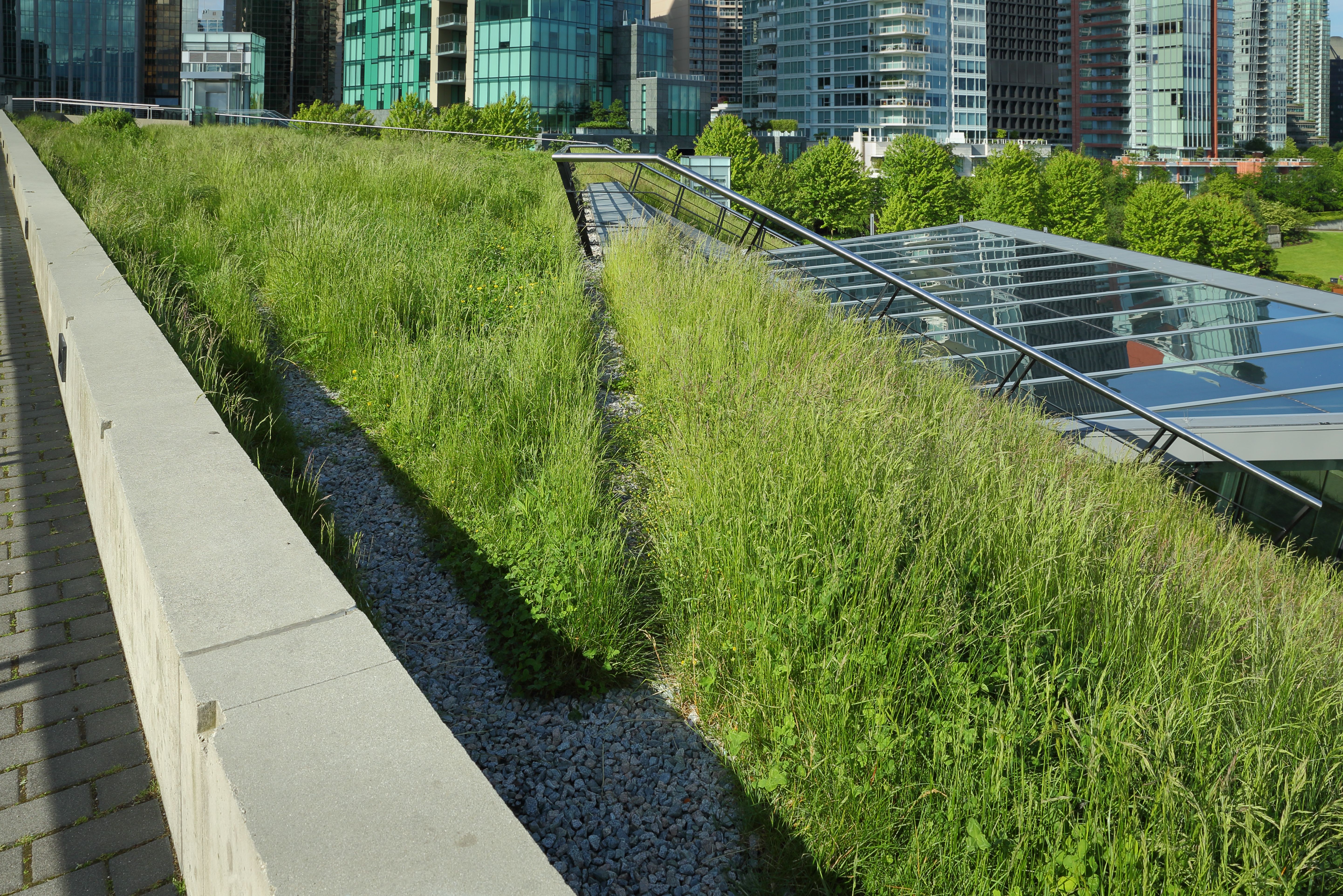
Incorporating nature into urban environments is another growing trend. Green roofs and vertical gardens are becoming common features in Markham's architecture. These elements not only enhance the aesthetic appeal of buildings but also provide numerous environmental benefits, such as improved air quality and reduced urban heat island effect.
Green roofs offer a habitat for biodiversity and help in managing stormwater, reducing runoff, and minimizing the burden on the city's drainage systems. Vertical gardens, on the other hand, are an excellent way to utilize limited space while contributing to the city's greenery.
Use of Sustainable Materials
Another fundamental aspect of sustainable architecture is the use of eco-friendly materials. Architects and builders in Markham are increasingly opting for materials that are sustainable, recycled, or have a low environmental impact. This includes bamboo, reclaimed wood, and recycled metal, which not only reduce the carbon footprint but also enhance the durability and aesthetics of buildings.
The choice of materials plays a crucial role in the overall sustainability of a construction project. By selecting materials that are locally sourced and environmentally friendly, architects can significantly reduce the environmental impact of their projects.

Smart Building Technology
Technology is playing a pivotal role in the evolution of sustainable architecture. Smart building technology is being integrated into new constructions to enhance energy efficiency and reduce waste. These technologies include automated lighting systems, energy management systems, and advanced HVAC systems that adjust to the building's needs in real time.
Smart buildings are not only more energy-efficient but also provide increased comfort and convenience for their occupants. By using data and automation, these buildings can adapt to changing conditions, ensuring optimal performance at all times.
Community Engagement and Education
Markham's commitment to sustainable architecture extends beyond individual buildings. The city actively engages with the community to promote awareness and education about sustainable practices. Workshops, seminars, and educational programs are regularly conducted to inform residents about the benefits of green buildings and how they can contribute to a sustainable future.
By fostering a culture of sustainability, Markham is not only building greener structures but also encouraging its citizens to adopt eco-friendly practices in their daily lives. This holistic approach ensures that the city's efforts in sustainable architecture have a lasting impact.
The future of sustainable architecture in Markham is bright, with continuous innovations and a strong commitment to environmental stewardship. As these trends and technologies evolve, Markham will undoubtedly remain a leader in creating a sustainable and livable urban environment.