The Impact of Local Climate on Architectural Design in Markham


Understanding Markham's Climate
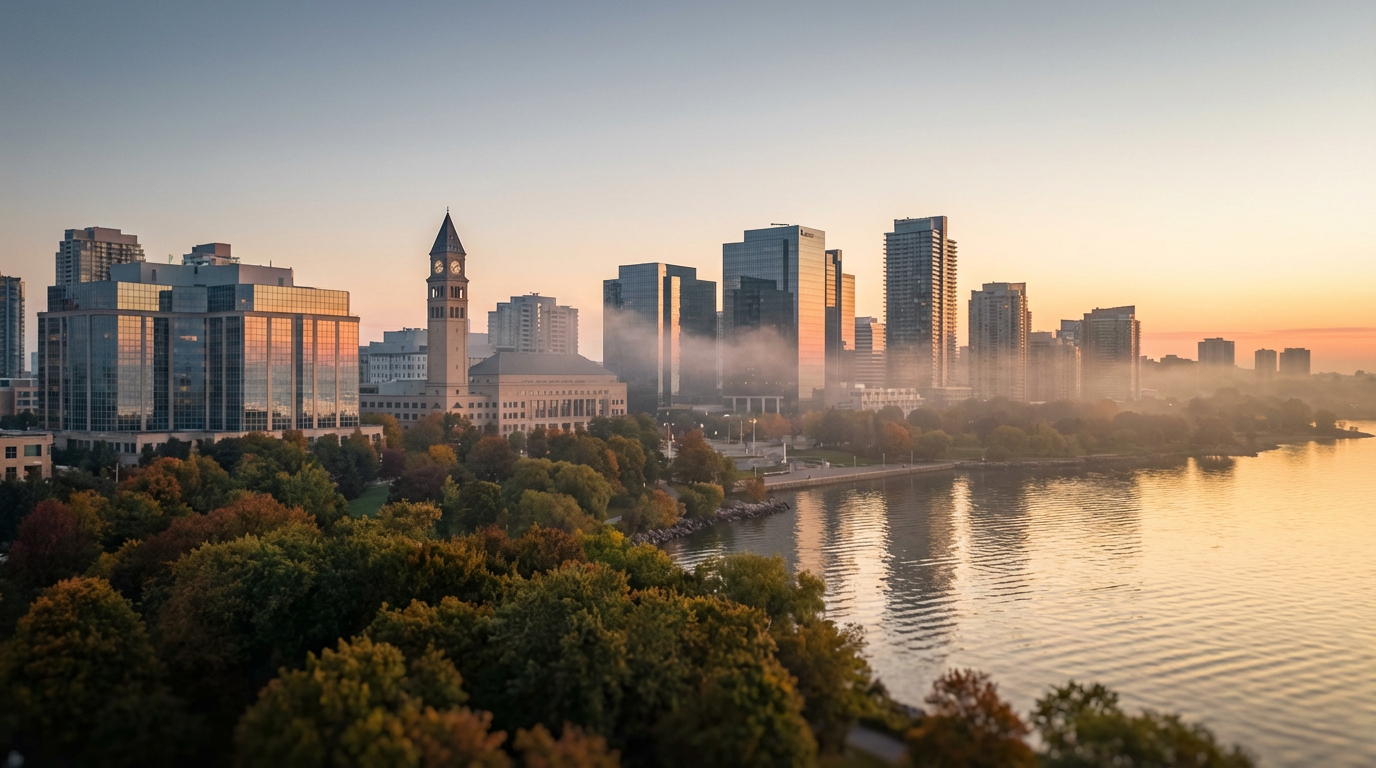
Markham, located in Ontario, Canada, experiences a humid continental climate with four distinct seasons. This climate significantly influences architectural design as it necessitates structures that can withstand varying weather conditions, from hot summers to cold, snowy winters.
The climate in Markham involves warm, humid summers and cold, snowy winters. These seasonal changes demand a thoughtful approach to architectural design, ensuring that buildings remain comfortable and energy-efficient year-round.
Winter Considerations
In winter, temperatures in Markham can drop significantly, often accompanied by heavy snowfall. Architects must prioritize insulation to retain heat within structures. This is crucial to minimize energy consumption and maintain indoor comfort.
Roofs in Markham are typically designed with steep pitches to prevent snow accumulation, reducing the risk of structural damage. Additionally, the use of durable materials that can withstand freezing temperatures and moisture is essential.
Summer Strategies
During the summer months, Markham can experience high temperatures and humidity. To combat this, architectural designs often incorporate features such as wide eaves and overhangs to provide shade and reduce solar gain.
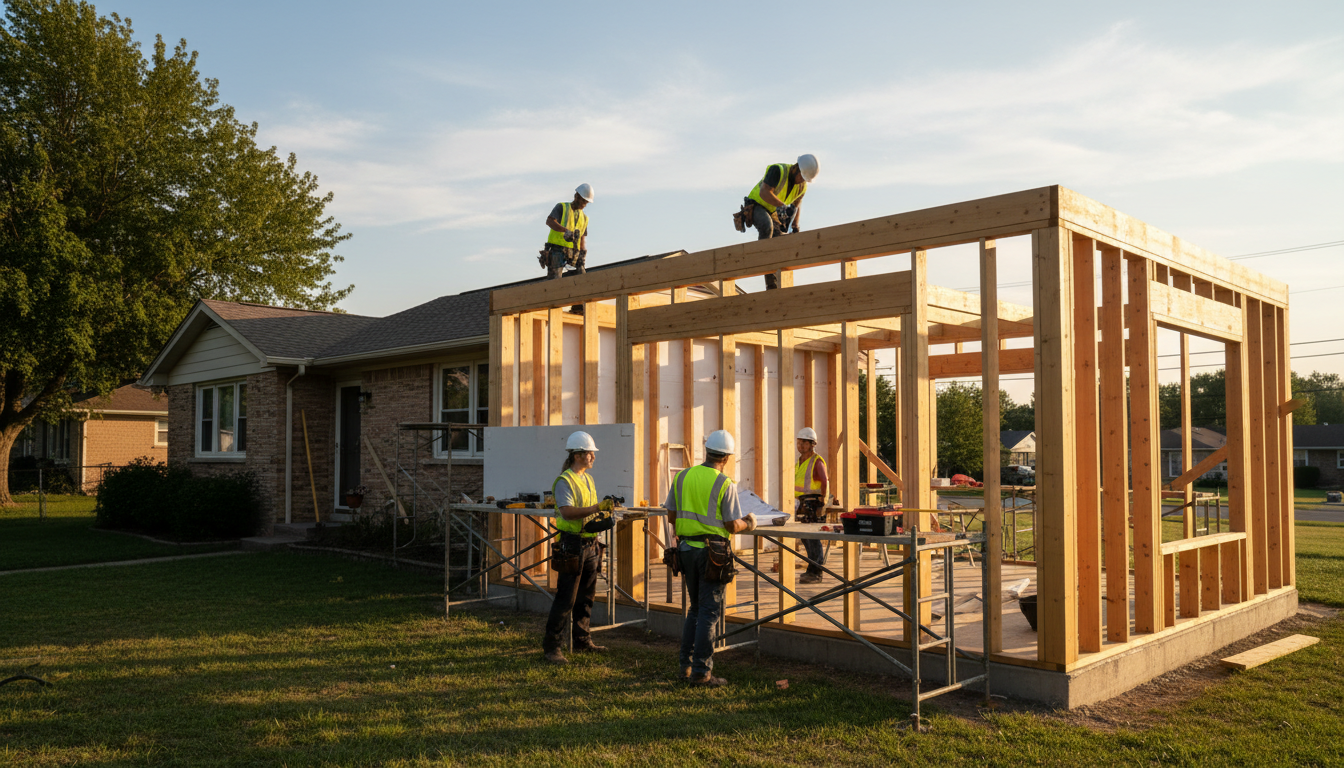
Natural ventilation is another important aspect, with strategically placed windows and vents to enhance airflow and cool the interior spaces. The use of reflective materials can also help minimize heat absorption.
Energy Efficiency and Sustainability
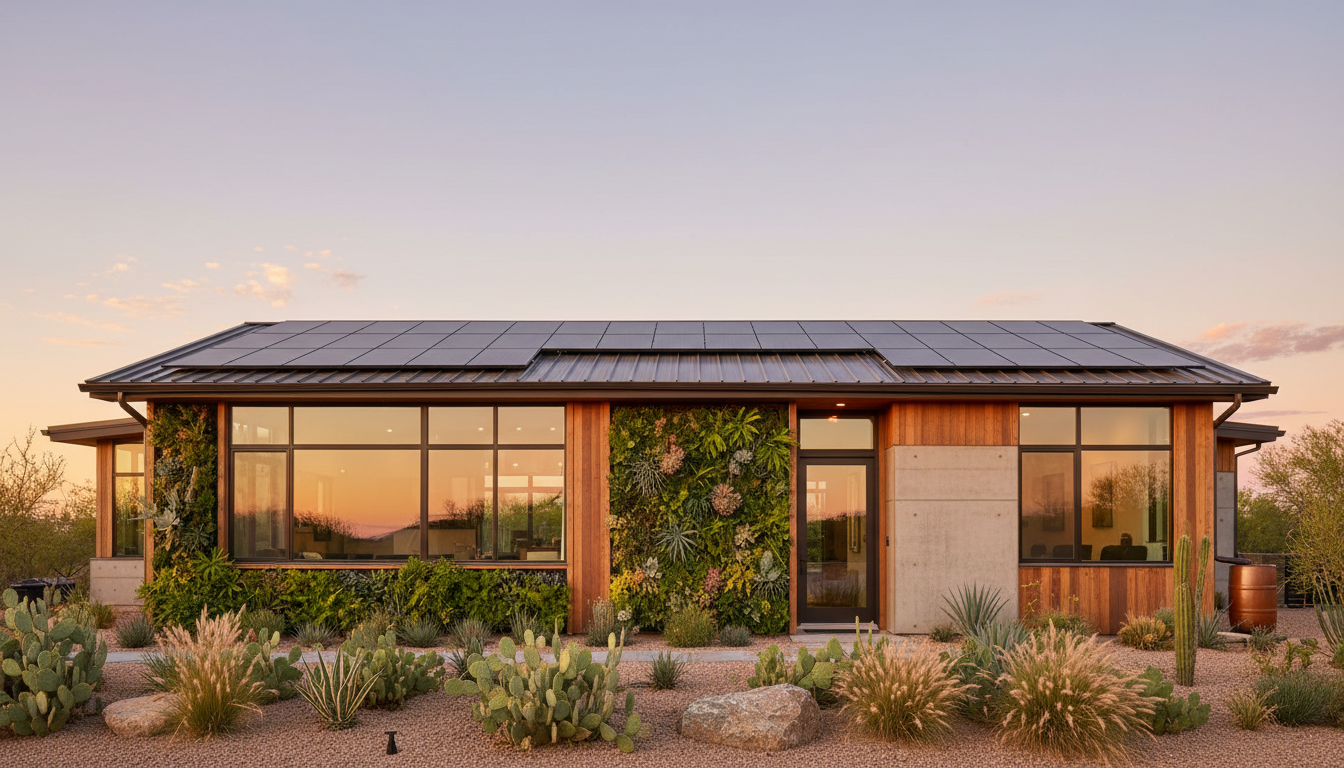
Energy efficiency is a key consideration in Markham's architectural design due to the city's diverse climate. Incorporating sustainable practices, such as solar panels and green roofs, can significantly reduce a building's carbon footprint.
Using locally sourced materials not only supports the local economy but also ensures that the materials are well-suited to the regional climate, enhancing the building's longevity and performance.
Adaptation to Climate Change
As climate change continues to impact weather patterns, architects in Markham are increasingly focusing on adaptable designs. These structures are built to withstand extreme weather events, such as intense storms or heatwaves, ensuring long-term resilience.
Innovative technologies, like smart home systems, further enhance a building’s adaptability, allowing residents to monitor and adjust energy usage in response to changing weather conditions.
Conclusion
The impact of local climate on architectural design in Markham is profound, influencing everything from insulation and material choice to energy efficiency and sustainability. By understanding and adapting to these climatic challenges, architects can create buildings that not only endure but thrive in Markham’s unique environment.