The Impact of Seasonal Changes on Architectural Design in Markham


Understanding Seasonal Influences
Markham, with its diverse climate, presents unique challenges and opportunities for architectural design. The seasonal changes, from chilly winters to warm summers, greatly impact how architects approach building projects in the area. Understanding these influences is essential for creating structures that are both functional and aesthetically pleasing.
In winter, the city experiences significant snowfall and cold temperatures, which necessitates the integration of effective insulation and heating systems. On the other hand, summer brings warmth and humidity, requiring designs that promote natural ventilation and cooling.

Winter Considerations
During the winter months, architectural designs in Markham must focus on energy efficiency. This involves using high-quality insulation materials to retain heat and minimize energy consumption. Additionally, incorporating large, south-facing windows can maximize sunlight, reducing the need for artificial lighting and heating.
Roofs are designed with steep pitches to prevent snow accumulation, reducing stress on the structure. Moreover, entrances often include vestibules to prevent cold air from rushing indoors, maintaining a comfortable interior environment.
Summer Adaptations
In contrast, the summer season demands strategies to keep buildings cool. Architects often use materials with high thermal mass, such as concrete or stone, to absorb heat during the day and release it at night, maintaining a stable indoor temperature.
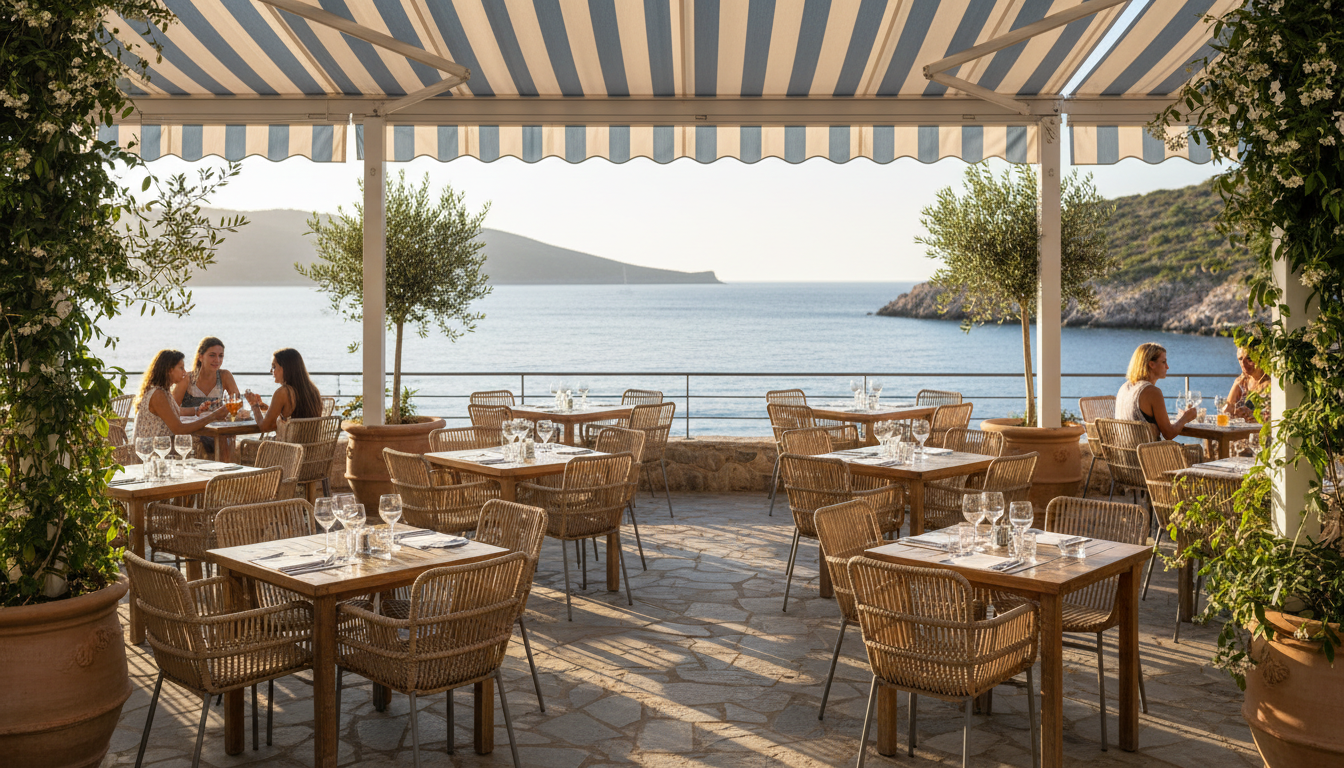
Shading devices like overhangs, pergolas, and shaded courtyards are also popular in Markham. These elements block direct sunlight, reducing heat gain and enhancing outdoor comfort.
Natural Ventilation Techniques
Natural ventilation is a key design consideration during the warmer months. Cross-ventilation, where windows are strategically placed on opposite sides of a room, allows fresh air to circulate effectively. This not only cools the space but also improves indoor air quality.
Additionally, using operable windows and vents can help control airflow and maintain a comfortable environment without relying heavily on air conditioning systems.
Spring and Fall Transitions
The transitional seasons of spring and fall offer opportunities for architects to design flexible spaces. Buildings can be equipped with adaptable features like adjustable louvers and retractable awnings to accommodate varying weather conditions.
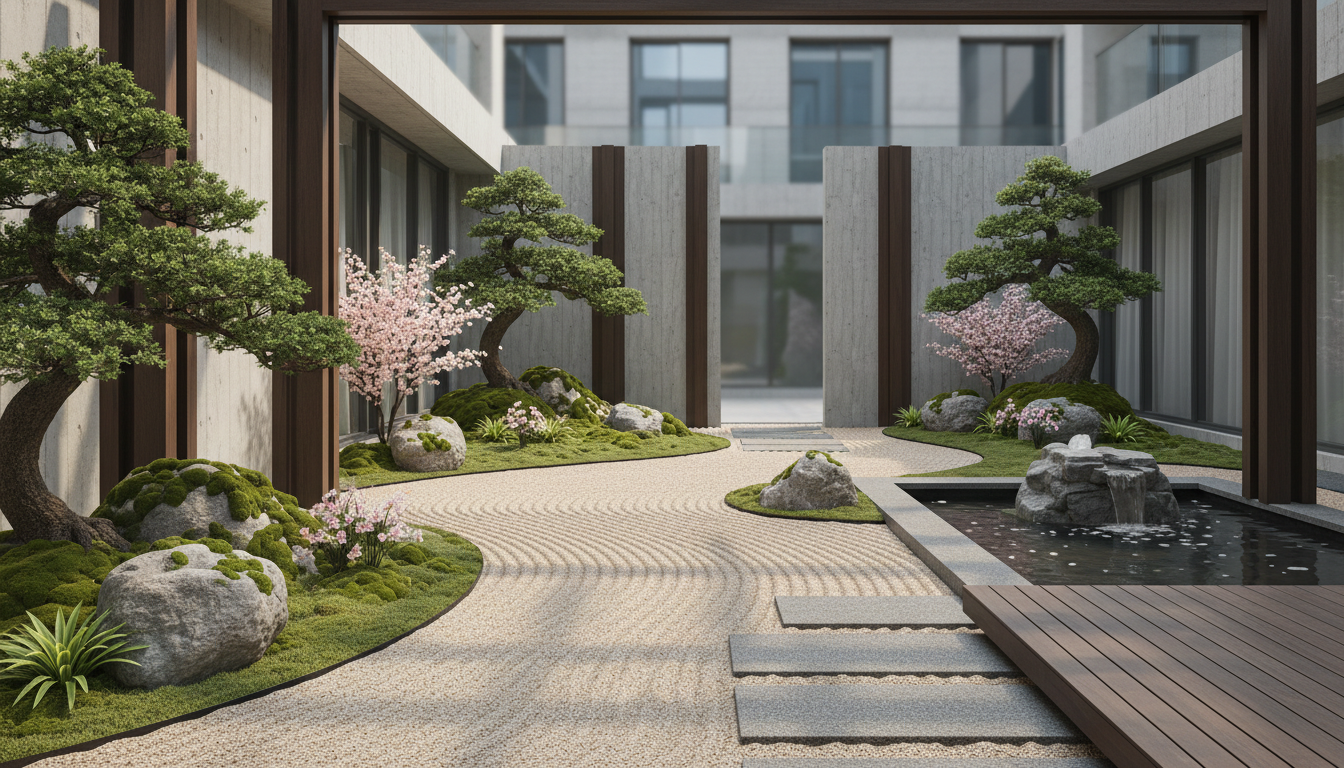
These seasons also encourage the use of multipurpose indoor-outdoor spaces, such as patios and balconies, that allow residents to enjoy the changing weather comfortably.
Sustainable Practices
Incorporating sustainable practices is crucial in addressing seasonal changes effectively. Green roofs, for instance, provide additional insulation during winter while reducing heat absorption in summer. Solar panels can be integrated into the design to harness energy year-round.
Water management systems, such as rainwater harvesting, are also essential in handling seasonal precipitation effectively, contributing to a building's overall sustainability.
Conclusion
The impact of seasonal changes on architectural design in Markham is profound. By understanding and adapting to these changes, architects can create buildings that not only withstand the elements but also enhance the quality of life for their occupants. Through innovative design and sustainable practices, Markham continues to evolve, showcasing architecture that harmonizes with its environment.