The Role of Architecture in Community Development: A Markham Perspective


Architecture plays a pivotal role in shaping communities, influencing not only the physical landscape but also the social dynamics and cultural identity of an area. In Markham, a city known for its diversity and rapid growth, architecture is at the forefront of community development.
Understanding Community Development
Community development involves improving the quality of life for residents by creating spaces that foster social interaction, economic growth, and cultural expression. Architecture serves as a backbone in this process by providing the structures and spaces where people live, work, and play.
The Influence of Design
Thoughtful design can transform a neighborhood. In Markham, architects are increasingly focusing on creating inclusive spaces that cater to a wide range of activities and demographics. This includes designing public spaces, residential areas, and commercial hubs that encourage community interaction and engagement.
Sustainability and Architecture
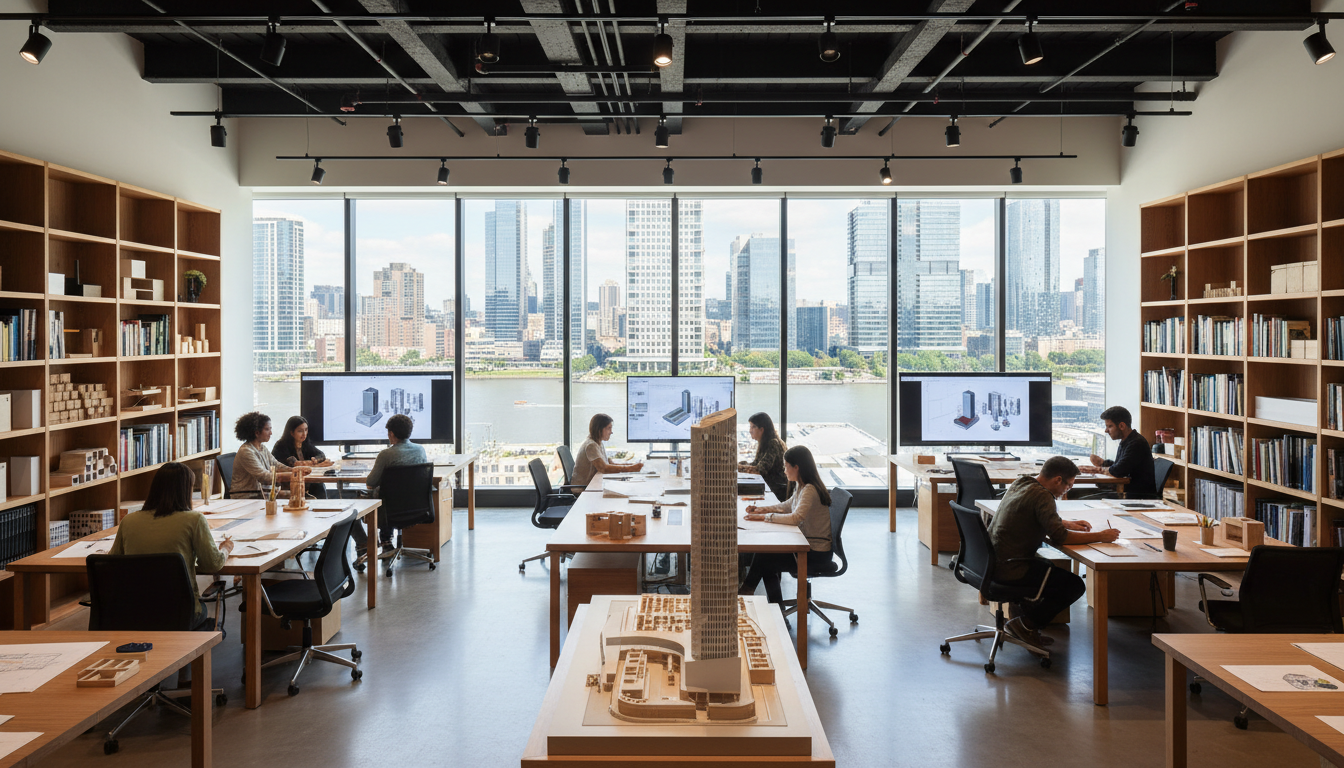
As Markham continues to grow, sustainability has become a key consideration in architectural design. Sustainable architecture not only minimizes environmental impact but also promotes healthier living conditions. Buildings are now being designed with energy efficiency in mind, utilizing renewable materials and technologies.
Green Spaces and Urban Planning
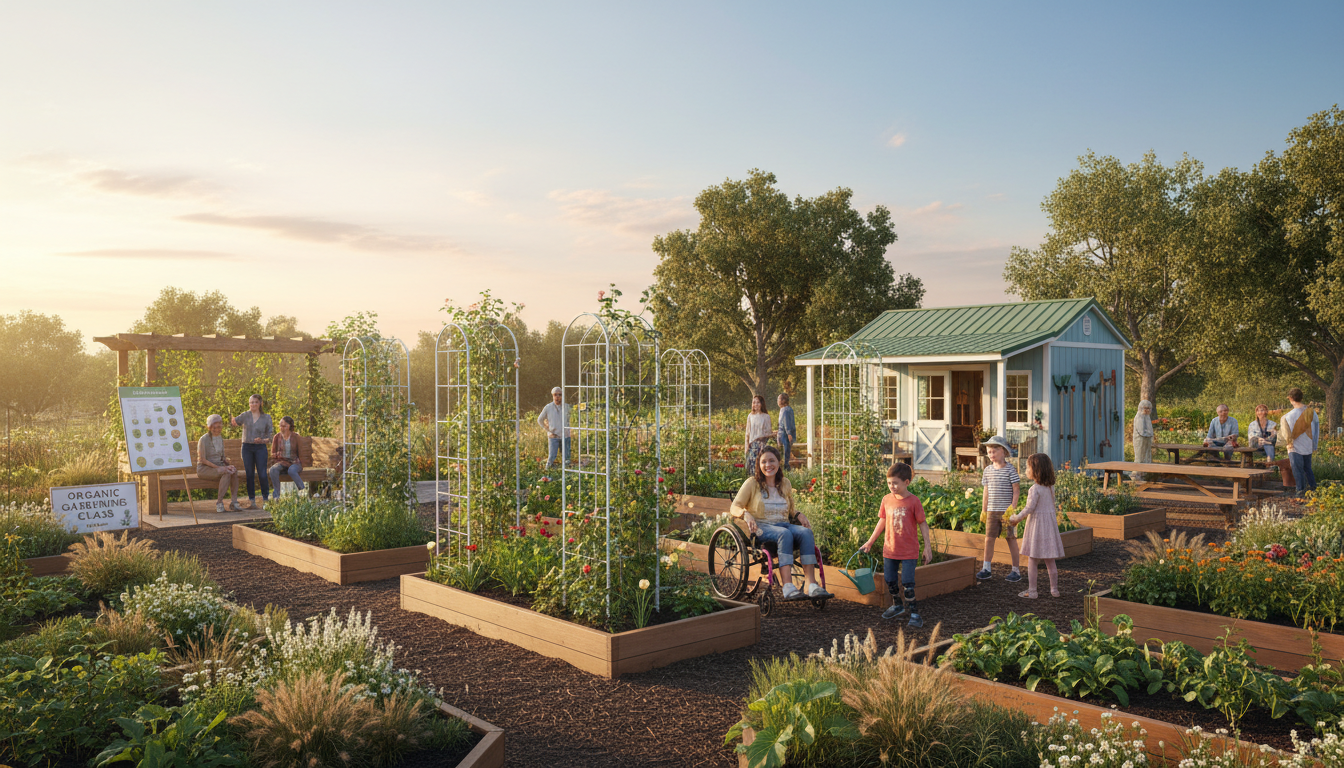
Green spaces are integral to sustainable community development. Markham's urban planners and architects work together to integrate parks and natural landscapes into urban designs, providing residents with areas for recreation and relaxation. These spaces also support biodiversity and improve air quality.
Preserving Cultural Heritage
Markham's rich cultural heritage is reflected in its architectural landscape. Preserving historical buildings while accommodating new developments is a delicate balance that architects strive to achieve. This preservation not only maintains the city's unique identity but also provides educational opportunities for future generations.
Adaptive Reuse
Adaptive reuse is a strategy being employed to repurpose old structures for modern use. This approach not only conserves resources but also retains the cultural significance of historical sites. In Markham, several old buildings have been successfully converted into vibrant community centers and commercial spaces.

Community Involvement in Design
Community involvement is crucial in the architectural development process. By engaging residents in the planning and design stages, architects can ensure that the resulting structures meet the needs and desires of the community. This collaborative approach fosters a sense of ownership and pride among residents.
Workshops and Consultations
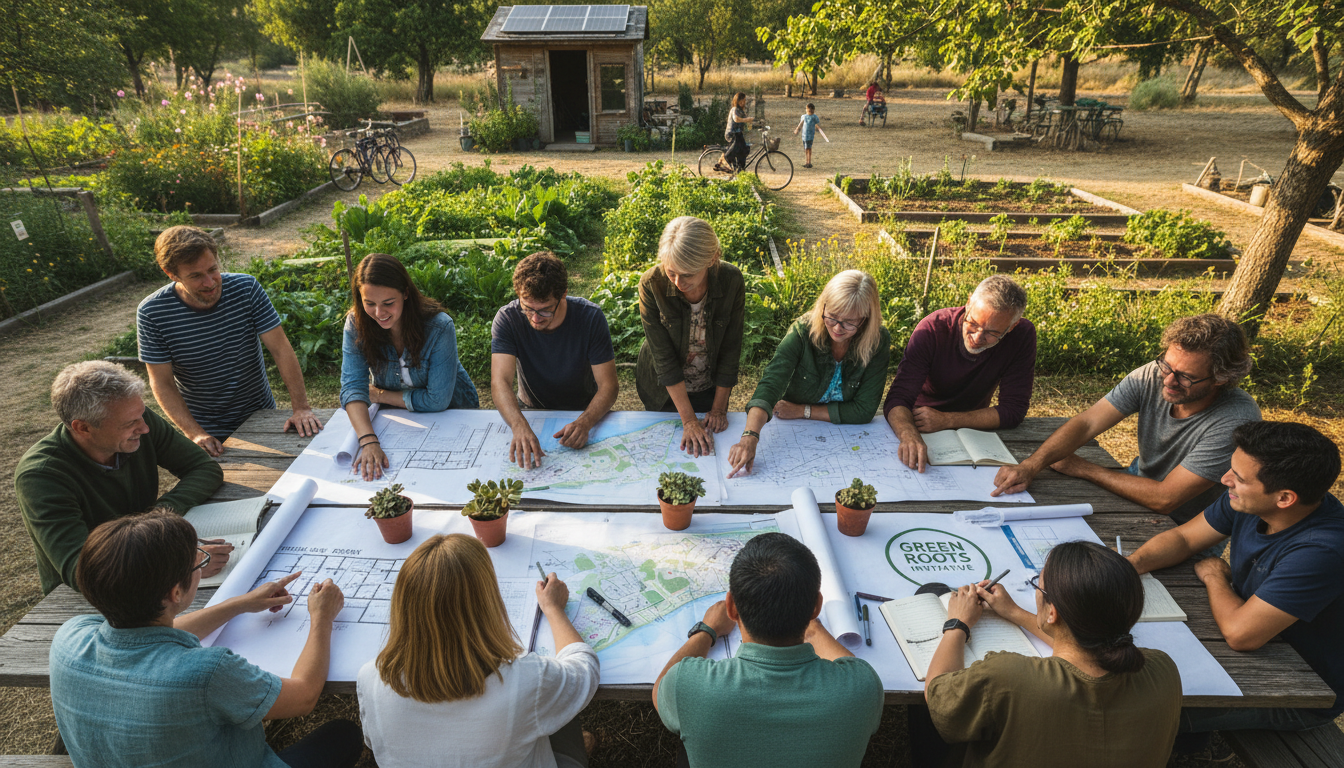
Hosting workshops and consultations allows residents to voice their opinions and contribute to the design process. In Markham, this practice has led to the development of spaces that truly reflect the community’s values and aspirations, ensuring that the architecture serves its intended purpose.
In conclusion, architecture is more than just constructing buildings; it is about creating environments that enhance community well-being. In Markham, the careful integration of design, sustainability, cultural preservation, and community involvement exemplifies how architecture can play a transformative role in community development.