Top Architectural Trends: Insights from Leading Firms Near Toronto


Embracing Sustainability in Modern Architecture
As environmental awareness continues to grow, many architectural firms near Toronto are prioritizing sustainability. The integration of eco-friendly materials and energy-efficient designs has become a cornerstone of modern architecture. This trend not only reduces the carbon footprint but also enhances the quality of life for occupants.
Firms are increasingly using recycled materials and implementing systems that optimize energy consumption. Solar panels, green roofs, and rainwater harvesting systems are just a few examples of how buildings are becoming more sustainable.

Adaptive Reuse: Breathing New Life into Old Structures
Adaptive reuse is another significant trend gaining momentum in Toronto. This approach involves repurposing old buildings for new uses, preserving historical elements while introducing modern amenities. It’s a creative way to blend the old with the new.
Leading firms are transforming warehouses into chic office spaces and converting factories into trendy residential lofts. This not only preserves cultural heritage but also contributes to urban revitalization.

Smart Homes: The Rise of Intelligent Architecture
The integration of smart technology into architectural design is revolutionizing how we live. Homes equipped with automated systems for lighting, security, and climate control offer unparalleled convenience and efficiency.
Architects are now designing buildings with built-in connectivity, ensuring seamless integration of technology. This trend is particularly popular among tech-savvy homeowners looking for innovative solutions to everyday challenges.

Biophilic Design: Connecting with Nature
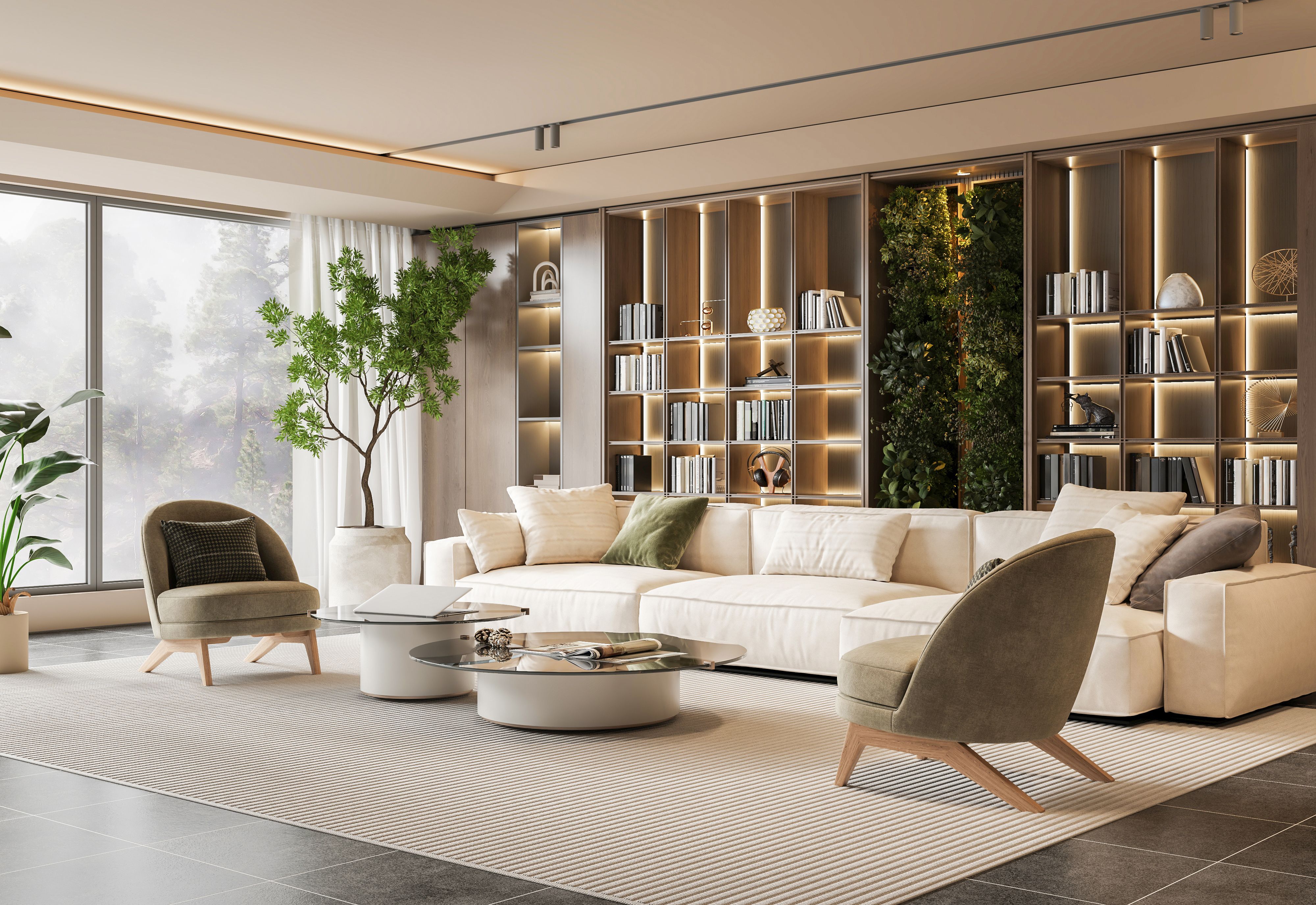
Biophilic design focuses on creating spaces that foster a connection with nature. By incorporating natural elements such as plants, water features, and natural lighting, architects are enhancing the well-being of occupants.
This approach is increasingly popular in urban areas, where access to nature may be limited. By bringing the outdoors in, biophilic design promotes relaxation and productivity.
Minimalism: The Art of Simplicity
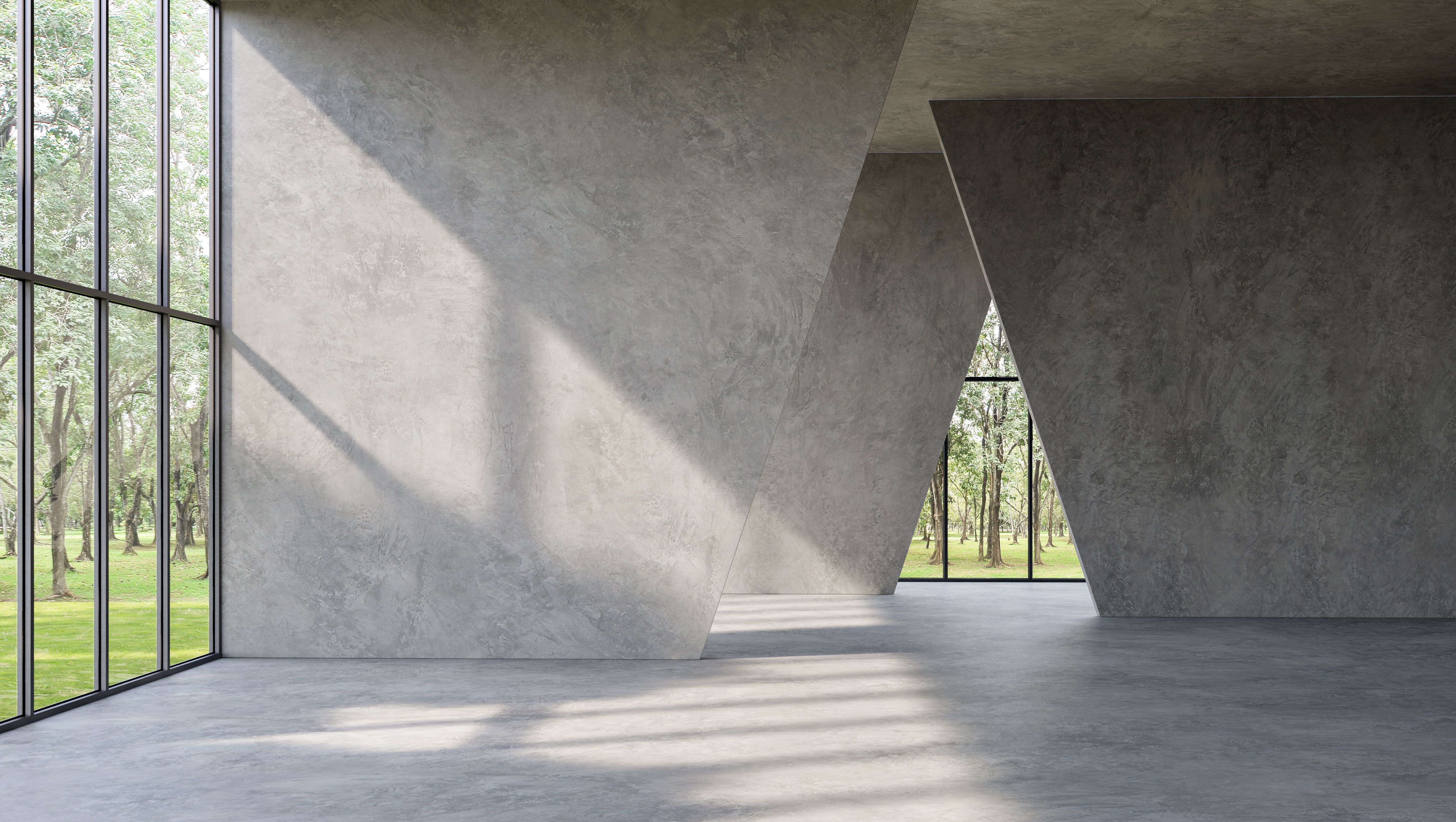
Minimalist architecture continues to be a favored style among Toronto architects. This trend emphasizes clean lines, open spaces, and a neutral color palette, creating an atmosphere of tranquility and simplicity.
Minimalism is not just about aesthetics; it’s about functionality. By eliminating unnecessary elements, spaces become more efficient and purposeful.
Collaborative Spaces: Fostering Community and Creativity
As remote work becomes more prevalent, the demand for collaborative spaces is on the rise. Architects are designing buildings that encourage interaction and creativity, with open-plan layouts and communal areas.
These spaces are not limited to offices; residential buildings are also incorporating shared amenities such as lounges and co-working areas to foster a sense of community.