Understanding the Role of Architectural Firms in Community Development


The Impact of Architectural Firms on Community Development
Architectural firms play a pivotal role in shaping the landscapes of our communities. They are not just involved in designing buildings; their influence extends to fostering sustainable environments and enhancing the quality of life for residents. By considering the social, economic, and environmental aspects of development, architectural firms contribute significantly to community growth.
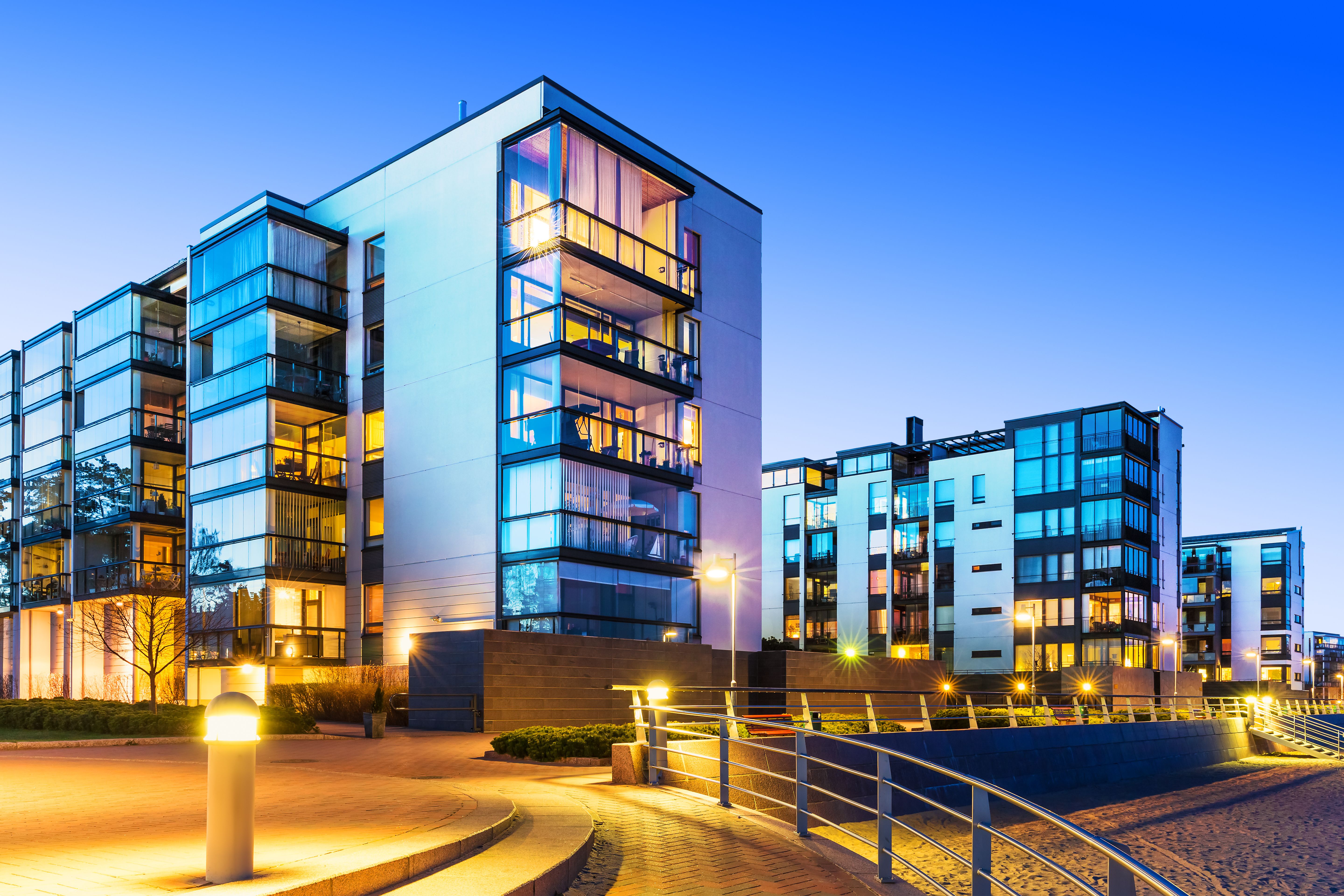
Creating Sustainable and Livable Spaces
One of the primary roles of architectural firms is to create spaces that are not only functional but also sustainable. By integrating green building practices, they help reduce the environmental impact of new developments. This includes using eco-friendly materials, harnessing renewable energy sources, and ensuring efficient water and waste management systems.
Architectural firms also focus on designing spaces that promote well-being. This involves creating areas that encourage social interaction, provide access to nature, and support active lifestyles. Such considerations are crucial for developing vibrant communities.
Enhancing Economic Growth
Architectural firms contribute to economic development by designing commercial spaces that attract businesses and tourists. By creating visually appealing and functional designs, they help increase property values and stimulate local economies. Additionally, their projects often create jobs, both during the construction phase and through the businesses that occupy these spaces.

The involvement of architectural firms in urban planning can lead to more efficient use of space, which can boost economic activity. This includes designing mixed-use developments that integrate residential, commercial, and recreational facilities, enhancing convenience and reducing the need for long commutes.
Preserving Cultural Heritage
Architectural firms play a key role in preserving the cultural heritage of communities. By restoring historical buildings and incorporating traditional design elements into new projects, they help maintain the unique identity of a community. This not only fosters a sense of pride among residents but also attracts tourists interested in cultural and historical exploration.
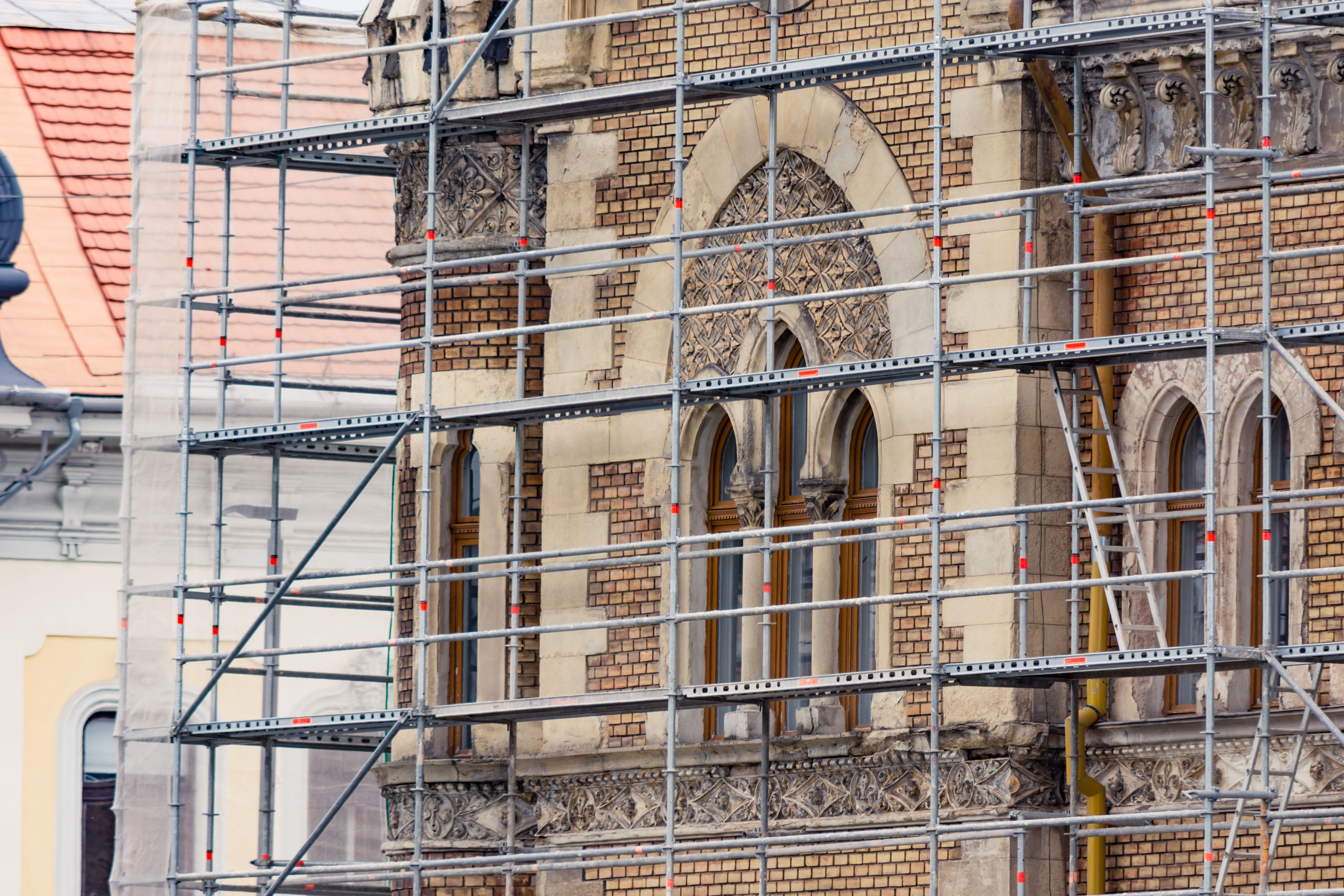
Furthermore, architectural firms often engage with local communities to understand their needs and preferences. This collaborative approach ensures that new developments respect cultural values and traditions, further strengthening community ties.
Promoting Social Equity
Ensuring that all community members have access to quality spaces is a crucial aspect of architectural firms' work. By designing affordable housing and public amenities, they help bridge social and economic gaps. This can lead to more inclusive communities where everyone has the opportunity to thrive.
Architectural firms also advocate for accessibility, ensuring that spaces are designed to accommodate people with disabilities. This commitment to inclusivity is essential for creating equitable communities.

Conclusion
In summary, architectural firms are integral to community development. Their work goes beyond aesthetics; it encompasses sustainability, economic growth, cultural preservation, and social equity. By understanding and embracing their role, we can work towards building communities that are not only beautiful but also resilient and inclusive.